

By Ken Bowers, Owner of KenWorks, Metairie, Louisiana
Selling a diamond isn’t like trading in a used car or pawning off a gadget. It’s personal. Whether it’s from a broken engagement, an estate, or just something collecting dust in the drawer, a diamond often carries more than just market value—it carries a story. But stories don’t determine price. The 4 Cs do.
When someone walks in hoping to sell a diamond, the first thing that matters isn’t the receipt from the jewelry store or how shiny the setting looks. What matters most is how the diamond itself stacks up across four key characteristics: cut, color, clarity, and carat weight. These are the same standards used by gemologists around the world, and understanding them before stepping into a buyer’s office can save a lot of time—and prevent a lot of disappointment.
Cut Comes First
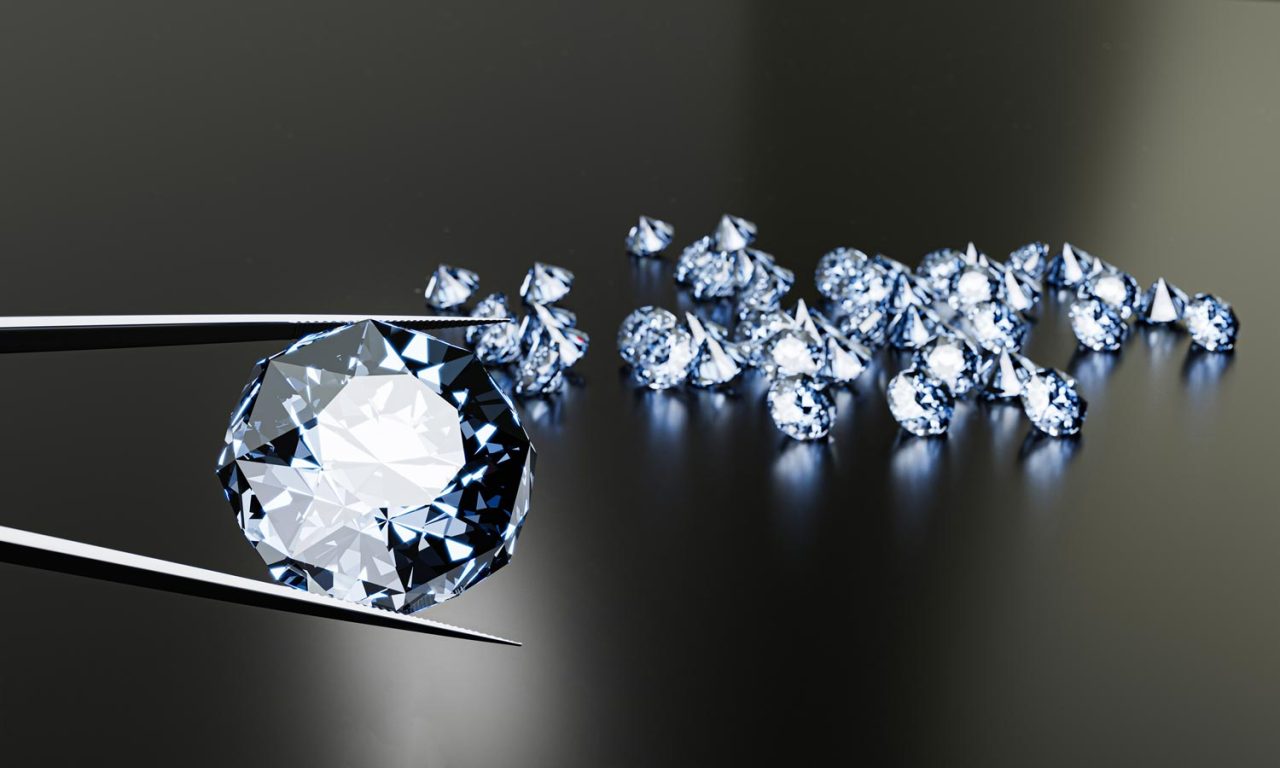
The cut of a diamond is often confused with its shape. Round, princess, pear—those are shapes. Cut, on the other hand, refers to how well the diamond has been shaped to reflect light. A well-cut diamond will bounce light in a way that creates sparkle and brilliance. A poorly cut diamond might look dull, even if it’s high on the scale in other areas.
Buyers pay close attention to cut because it’s one of the most visual indicators of quality. A diamond with good symmetry, proportion, and polish typically attracts more interest and commands better offers. Even if the carat weight is impressive, a bad cut can drag down the stone’s appeal.
Color Matters More Than Most Think
Diamonds are graded on a color scale ranging from D (colorless) to Z (noticeable yellow or brown tint). Colorless diamonds are rare and usually more valuable, but near-colorless diamonds often appear identical to the naked eye—and still retain strong resale potential.
The difference between a G and a J on the color scale may not seem like much until it’s time for evaluation. Sellers often assume all white diamonds are equal, but subtle variations in color can make a meaningful difference in pricing. That’s especially true under the bright lights of a professional setting.
Clarity Is All About What’s Inside
Clarity refers to internal and external imperfections. These are often microscopic and don’t impact the diamond’s visual beauty to the average person, but they can influence value. Clarity is graded from Flawless (virtually no imperfections under 10x magnification) to Included (where imperfections are visible to the naked eye).
Most diamonds fall somewhere in the middle—think Slightly Included or Very Slightly Included. These stones look great but carry minor internal features that professionals can detect. For sellers, it’s important to know that two stones of the same size can differ in value significantly just based on what’s inside.
Carat Weight: The Obvious Metric
Carat weight is the most straightforward of the 4 Cs. One carat equals 200 milligrams. Larger diamonds are rarer, so the price per carat increases as size goes up. That’s why a 2.00-carat diamond doesn’t just cost twice as much as a 1.00-carat—it often costs quite a bit more.
But carat weight doesn’t stand alone. A big diamond with poor cut, noticeable color, or low clarity might look impressive on paper but fall short in value when everything is considered together. That’s why the combination of all four Cs is what really drives pricing.
What Else Affects a Diamond’s Resale Value?
Aside from the 4 Cs, a few other factors play into what someone might pay for a diamond on the secondary market.
Certification: Diamonds with GIA, AGS, or IGI certifications are easier to evaluate and sell. These lab reports provide standardized grading and reduce guesswork. Without a certificate, buyers rely solely on in-person evaluation, which may result in more conservative offers.
Shape Trends: Round diamonds are the most widely traded and retain their value best. Other shapes like marquise, cushion, or heart may be harder to resell depending on current trends and buyer demand.
Condition: Chips, cracks, and visible damage reduce value. Even if the original grading was high, physical wear over time can affect what the diamond is worth now.
Mounting and Setting: Most buyers evaluate the stone alone. Settings—unless they’re from a designer brand or contain additional diamonds—rarely add much to the value. In some cases, buyers will even remove the diamond from the mounting for an accurate appraisal.
Final Thoughts Before Selling
Walking into a sale with an understanding of the 4 Cs can turn an uncertain process into a manageable one. It helps set realistic expectations and ensures that the seller is speaking the same language as the buyer.
Diamonds may last forever, but their value in the resale market depends on measurable, visible, and gradeable characteristics. Knowing what those characteristics are—and how they interact—puts any seller in a stronger position, and ultimately, that’s what matters most in the world of diamond buying.