

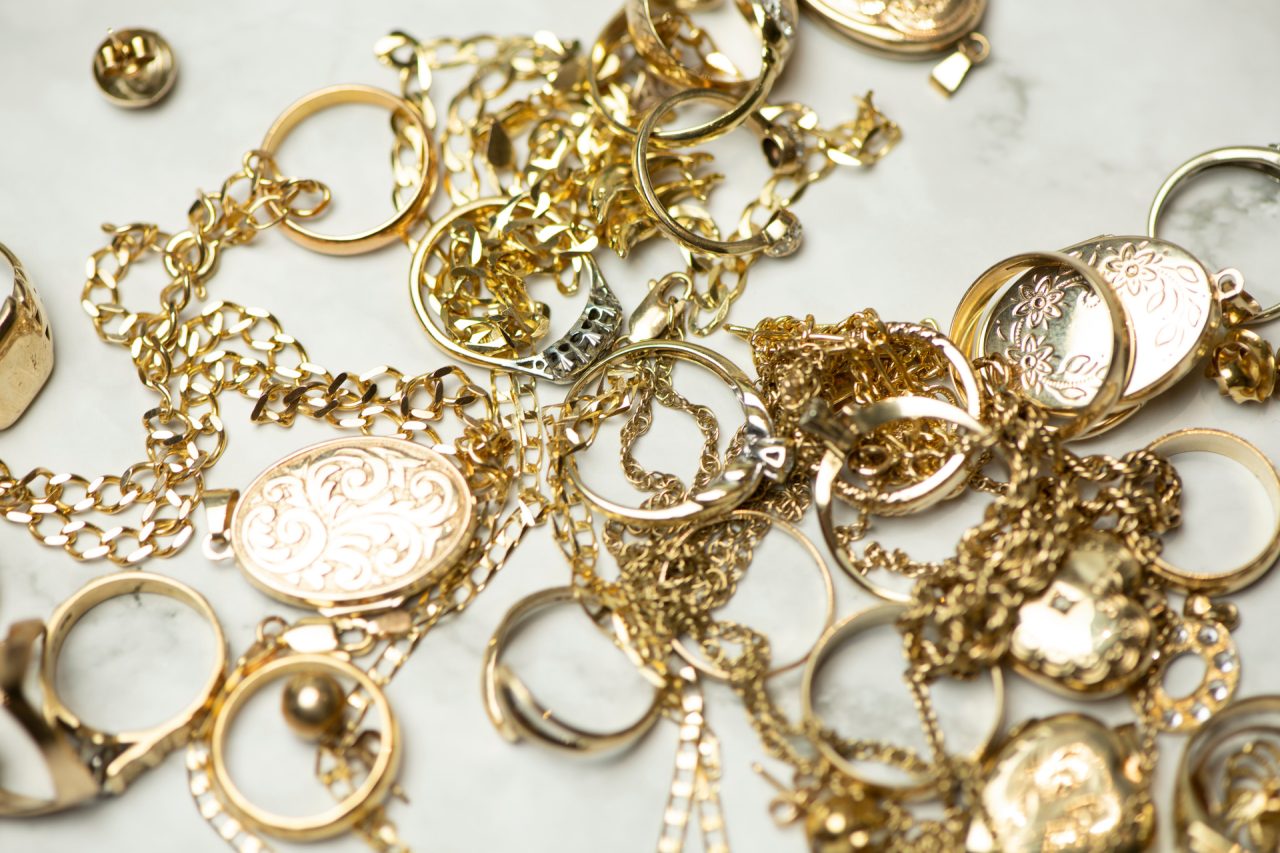
There’s a certain magic in gold. It doesn’t rust, it doesn’t tarnish, and it’s been causing people to lose sleep (and sometimes common sense) for thousands of years. But in today’s world, the glitter of gold has competition—from counterfeiters who are getting cleverer by the minute. And believe me, fake gold is having a bit of a moment.
So how does one separate the 24-karat truth from something that belongs in a costume jewelry bin? Here’s how the pros think through it—minus the lab coats and magnifying glasses, unless that’s your thing.
1. The Weight Game: Gold Doesn’t Do Light
Real gold is heavy. Not just kind-of heavy—“why-is-this-necklace-
Of course, you can’t always trust your hand scale. That’s where the official method comes in: measure the mass, dunk it in water, and calculate the density. If that sounds like 8th-grade science class, it’s because it basically is. Real gold clocks in around 19.3 grams per cubic centimeter. Anything drastically lower? Might be time for a second opinion—or a refund.
2. The Hallmark Hustle
Genuine gold items usually come stamped with a mark of purity: 24K, 18K, 14K… or the metric version: 999, 750, 585. These tiny tattoos tell a lot about what you’re holding. But don’t get too comfortable—just because a piece has a stamp doesn’t mean it’s telling the truth. Some of the slickest counterfeits carry fake hallmarks.
A real test here isn’t just spotting the stamp, but seeing if it matches up with everything else. Is the piece too shiny for its age? Is the mark off-center or too faint? Is it in Comic Sans? (Okay, not that last one, but still—fake markings often look just a little… off.)
3. The Magnet Trick: Because Gold Hates Magnets
This one’s an oldie but goodie. Real gold isn’t magnetic. Not even a little. If it so much as flinches toward a magnet, that’s a red flag. A small fridge magnet can save a big headache.
That said, some fake gold is non-magnetic too. So this test alone isn’t a dealbreaker—but it’s a quick one that can weed out the obvious imposters, kind of like swiping left on a sketchy dating profile.
4. Acid Tests: Chemistry in Action
Here’s where things get interesting. A tiny scratch (in a hidden spot, of course) and a drop of acid can reveal a lot. Gold resists the acid—it’ll sit there like it’s having a spa day. Imposters? They bubble, fizzle, and sometimes change colors like a mood ring having a meltdown.
Important note: Don’t do this at home unless you know what you’re doing. And definitely not on Grandma’s heirloom chain unless you’re ready to explain things at the next family reunion.
5. Gadgets and Gizmos: The X-Ray Files
When in doubt, bring in the machines. Electronic gold testers are handy for measuring electrical conductivity, and XRF (X-ray fluorescence) devices can analyze a piece without even scratching it. If it’s got a metallic soul, the scanner will see it.
Not everyone has one of these sitting in their living room, which is why a visit to someone who does (ahem) is often the best next step when something just doesn’t feel right.
6. Eyes and Ears Still Matter
Sometimes the oldest tools are the best. A trained eye can spot inconsistencies in luster, seams, or flaking. Real gold wears with age—it doesn’t chip off in sheets. If a piece looks too perfect or has patches that are changing color faster than a chameleon in a disco, something’s up.
And don’t overlook the sound. Real gold, when gently tapped, has a rich, deep ring. The cheap stuff? More of a dull thud. If it sounds like you dropped a spoon in mashed potatoes, be suspicious.
7. Paper Trails and Provenance
One of the easiest ways to feel good about gold is knowing where it came from. Documentation, receipts, assay certificates—all of these can back up a piece’s legitimacy. If the seller doesn’t know where it came from, that’s not mysterious, it’s problematic.
Always worth asking the questions: Was it purchased from a reputable dealer? Does the paperwork match the piece? And perhaps most importantly, was it purchased on purpose or found at a flea market next to a bin of broken sunglasses?
Final Thoughts from the Workbench
Gold has survived empires, global recessions, and bad fashion trends. It’s not going anywhere. But neither are the fakes. As long as real gold holds value, somebody out there will be trying to pass off pyrite as precious.
The good news? With a few basic checks and a little know-how, the odds of getting duped drop dramatically. And when in doubt, professionals with the right tools (and a low tolerance for nonsense) can provide the clarity needed.
Stay smart, stay skeptical—and if it looks too good to be gold, it probably is.