

By Ken Bowers, Owner – KenWorks, Metairie, LA
Let’s be honest. Most folks don’t spend their Sunday mornings wondering if their ring needs to be resized. It’s one of those things that sneaks up—kind of like forgetting where the car keys are or realizing the jeans fit a little tighter than they used to. A ring that once slipped on like butter now feels like it’s auditioning for a permanent spot. Or worse, it’s so loose it’s flirting with the idea of vanishing down a sink drain forever.
In the jewelry world, rings may be symbols of love and loyalty, but they’re also physical objects. They age. They get scratched. They loosen up or clamp down. They can even snap in half during an ill-advised backyard wrestling match. (Yes, that actually happened. No names mentioned.)
So how do you know when it’s time to resize, repair, or say goodbye and start fresh? Let’s break it down.
When Resizing Is the Right Call
Fingers are a fickle bunch. They swell in the summer, shrink in the winter, and sometimes change size altogether thanks to life’s many curveballs—weight changes, arthritis, pregnancy, or just plain aging. One day that ring fits like a dream, and the next it’s cutting off circulation or doing somersaults every time the hand moves.
Resizing is usually a straightforward fix, provided the ring is made from a material that plays nice—gold, platinum, and silver are generally team players. Stainless steel and tungsten? Not so much.
If a ring spins constantly, feels like it needs soap to come off, or makes the finger look like it’s being slowly strangled, that’s a sign resizing might be in order. The key is not to wait until the situation becomes a full-blown finger crisis.
Repair: The Ring Has Mileage, But It’s Still Got Heart
Not all ring trouble is about fit. Sometimes it’s about wear and tear. Daily wear adds up over time. Bands wear thin. Prongs loosen up. Stones go MIA. That heirloom that’s been passed down through three generations may have more sentimental value than structural integrity.
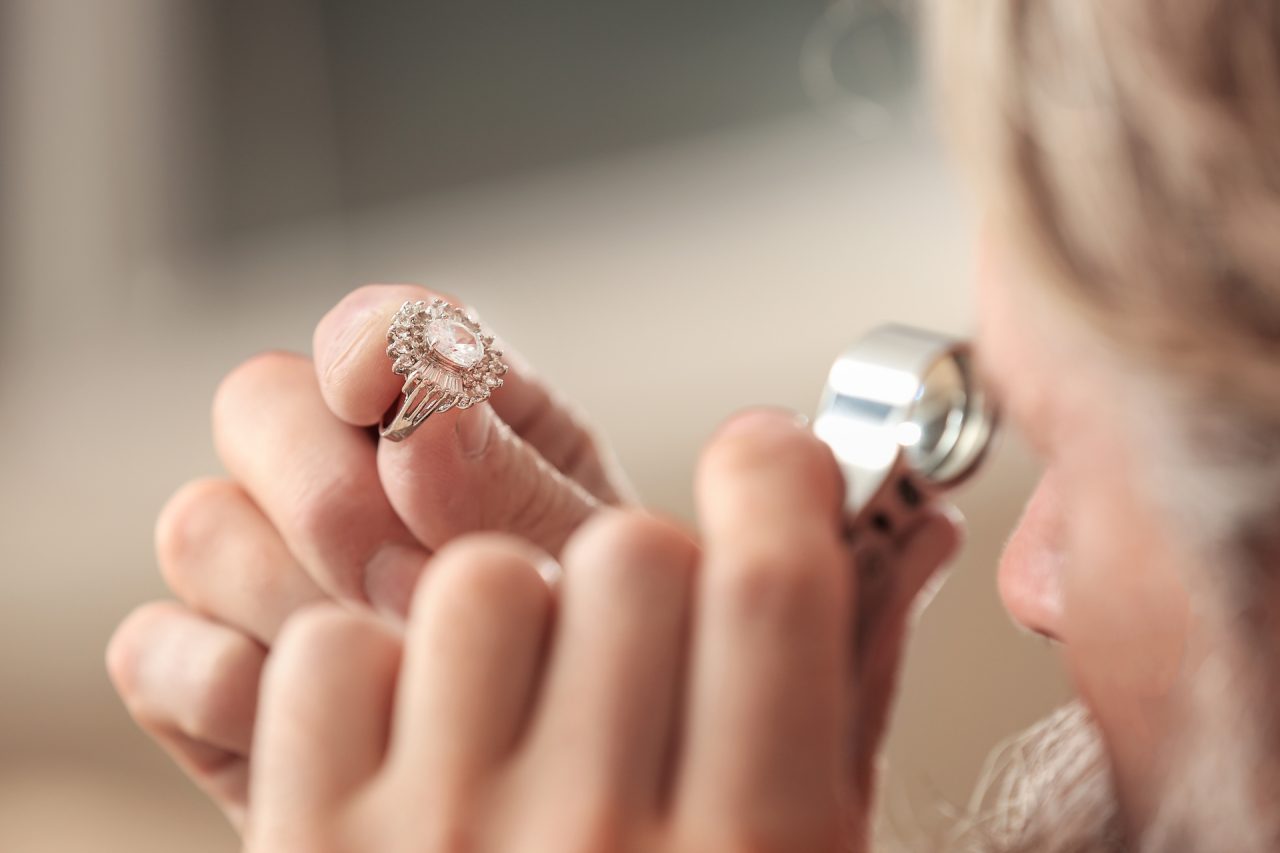
Repairing a ring can breathe new life into it. A skilled jeweler (preferably someone with a steady hand and a lot of coffee behind them) can tighten loose stones, replace missing ones, weld breaks, and polish the whole thing to look showroom fresh.
And don’t underestimate the power of rhodium plating for white gold. It’s like giving a tuxedo to a tired old hoodie.
When It’s Time to Replace
Now, nobody wants to break up with a ring. But sometimes, the writing’s on the wall. Maybe it’s been run over by a lawnmower. Maybe it’s cracked clean through. Maybe the style just doesn’t feel right anymore—like sporting bell-bottoms in a world full of skinny jeans.
In these cases, replacement isn’t failure. It’s evolution.
One popular option is to take elements from the original ring—like the center stone or even some of the metal—and incorporate them into a new setting. That way, the ring’s spirit lives on, even if the body got an upgrade.
Some customers opt to replicate an older ring with stronger materials, better structure, or a modernized style. It’s not disrespectful. It’s just being realistic.
What About Vintage and Heirloom Rings?
Ah, the family jewels. Literally.
Heirloom rings are in a category all their own. They’re beautiful, meaningful, and often a bit more delicate than newer pieces. Resizing or repairing them takes a lighter touch, not just for technical reasons, but because they carry history.
Laser welding, micro-setting, and gemstone preservation techniques have come a long way. A good jeweler can often make careful changes without losing the ring’s character. Still, some heirlooms are better preserved and worn sparingly rather than put through the ringer (pun intended) of daily wear.
Maintenance: The Most Overlooked (But Crucial) Step
Most people think of jewelry care the same way they think of flossing—great idea in theory, rarely done in practice.
But rings need routine maintenance. At the very least, they should be checked every six months. That means prong inspections, band integrity checks, and professional cleaning. These visits prevent small issues from turning into big ones.
It also doesn’t hurt to give rings a break now and then. The gym, the garden, and the beach are not great environments for fine jewelry. Rings may be symbolic, but they’re not indestructible.
Final Thoughts from the Bench
Rings are funny little things. They sit quietly on a finger, doing their job, holding memories, promises, and—occasionally—a bit of marinara sauce. But when something’s off, they let it be known.
The good news? Whether it’s a simple resize, a full-on repair, or the decision to start fresh, the solution isn’t as complicated as it seems. With the right tools and experience (and maybe a loupe or two), almost any ring can be brought back to life or reimagined into something new.
At KenWorks in Metairie, it’s not just about the gold and gemstones. It’s about the stories behind them—and making sure those stories keep going.
Just… try to avoid backyard wrestling with it on next time.