

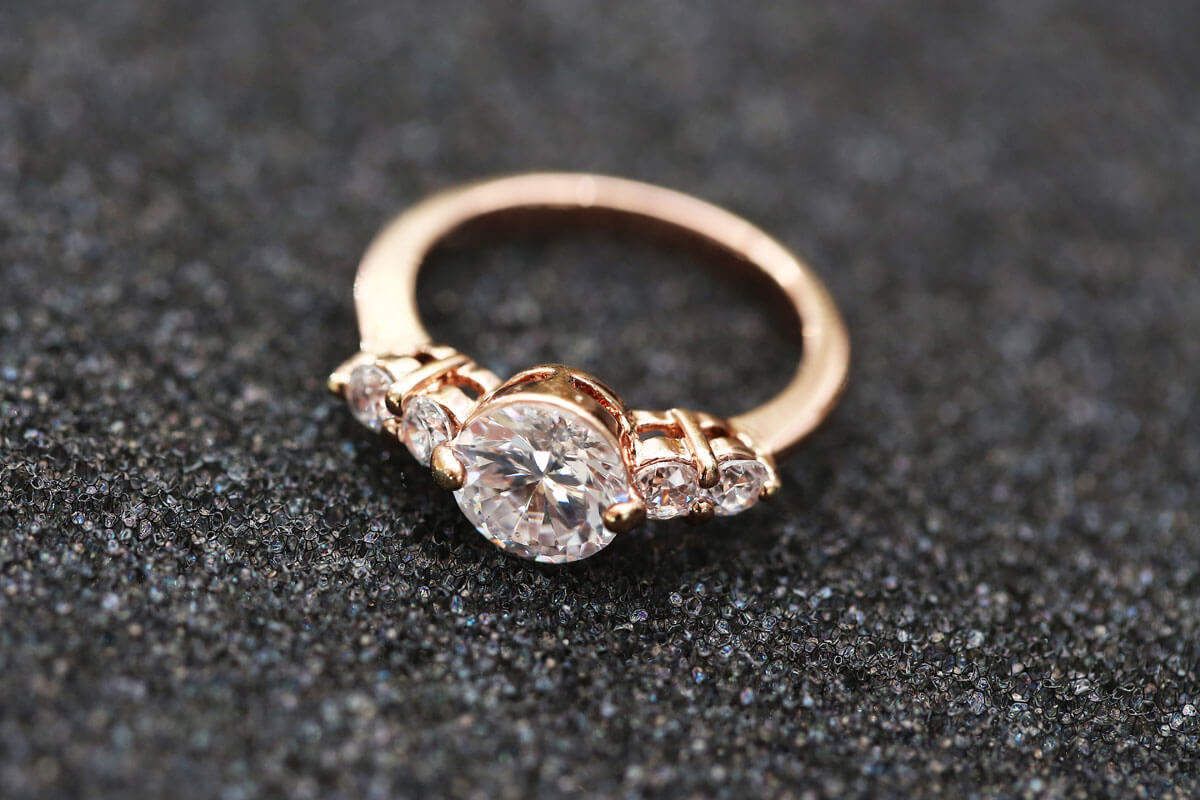
There are a lot of things folks don’t expect after a breakup: like who gets custody of the dog, why the playlist is suddenly a landmine, or how an expensive piece of jewelry can become a very quiet reminder sitting in the bottom of a drawer. That’s right—engagement rings. They don’t vanish with the relationship, but they sure do become awkward fast.
Eventually, many people decide it’s time to sell the ring and move on. Good call. But before jumping into that process, there are a few practical things to understand—because diamonds may be forever, but market value is not.
The Ring Isn’t Worth What the Receipt Says
This is the first, and probably most jarring, reality. That $6,000 ring purchased from the jewelry store? In resale terms, it might fetch $1,500. Maybe $2,000 on a good day. It’s not because someone got ripped off. It’s because jewelry, like cars, drops in value the second it leaves the lot—or in this case, the velvet box.
Retail rings are priced with overhead, brand markup, and showroom sparkle all built in. Once that ring is pre-owned, it gets judged purely by the value of the materials and market demand. Sentiment doesn’t help the resale price, and neither does the ex’s opinion that it was “actually more than that, I swear.”
Know What You’ve Got (Before Posting It Online)
Trying to sell a ring without knowing what’s in it is like selling a house without knowing how many bedrooms it has. Before listing or bringing it in for an offer, it helps to know the 4 Cs—cut, color, clarity, and carat weight. These are the basic details that determine how a diamond is valued.
If the ring came with a certificate (like from GIA), dig it up. If not, consider a quick appraisal or evaluation. The more accurate the description, the more serious the buyers.
Also, keep in mind: white gold isn’t platinum. CZ isn’t a diamond. And if the center stone was “replaced after the original fell out in a parking lot,” that changes things. Full disclosure is always best—especially when trying to get a fair price.
Selling Options (Ranked by Speed, Payout, and Stress Level)
There’s more than one way to part with a ring. Some involve instant gratification. Others involve patience, nerves of steel, and the ability to ignore messages from people named “BigLou_1985.”
- Jewelry Buyers: Fast, secure, and direct. Offers are usually lower than resale sites but come with fewer headaches.
- Pawn Shops: Fastest of all, but generally the lowest payout.
- Online Marketplaces: Potentially higher value, but expect haggling, no-shows, and the occasional person asking if you’ll trade for a motorcycle.
- Consignment: A retailer sells the ring on behalf of the owner and takes a cut. Could be months before anything happens, though.
- Private Sale: Risky but potentially rewarding. Just don’t meet in a parking lot with a stranger named Gary who insists on paying in gift cards.
Legal Ownership (Yes, That’s a Thing)
It’s not always as simple as “my name’s on the receipt.” Louisiana tends to view an engagement ring as a conditional gift—meaning if the marriage never happened, the ring might legally go back to the giver. If the wedding did happen, the ring usually becomes the property of the recipient.
Anyone selling a ring should make sure it’s fully theirs to sell. It’s amazing how often someone tries to offload an item that technically still belongs to their ex. It doesn’t end well. Think: awkward phone calls and possibly small claims court.
Presentation Matters (Even for Used Jewelry)
Trying to sell a ring without polishing it or finding the box is like trying to sell a car without vacuuming the french fries out of the back seat. It might not change the mechanical condition, but it sure makes it more appealing.
Give the ring a cleaning. Get a decent photo—no blurry carpet backgrounds or fingers involved. If the original box or receipt is still around, include them. It’s not required, but it adds a level of trust to the transaction that can bump the offer up a notch.
Final Thoughts (and a Friendly Nudge)
Rings carry meaning. That’s the whole point. But after the meaning has moved on, they can still carry value. Turning a breakup keepsake into cash isn’t cold-hearted—it’s smart. Just know what it’s worth, who it belongs to, and how to sell it safely.
And remember: diamonds aren’t bad luck. They’re just shiny rocks that happen to last a very long time. What they represent changes—and that’s okay. What matters is using them wisely, even if that means using them to buy a plane ticket, pay off a bill, or finally take that weekend trip without having to explain it to anyone.