

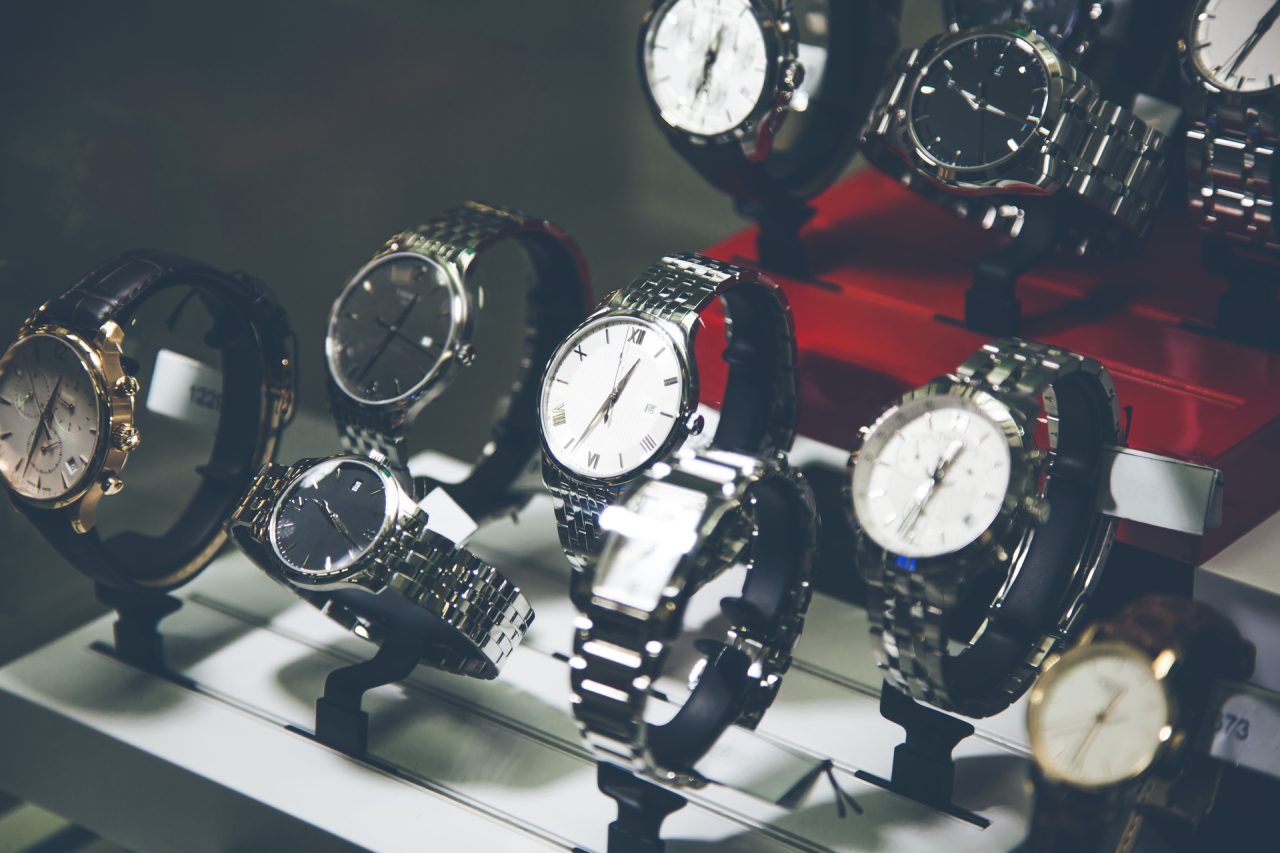
There’s a certain poetry to the ticking of an old Rolex. It’s not just a sound—it’s a rhythm, steady and patient, like the heartbeat of craftsmanship itself. In a world where watches can light up, talk back, and tell someone to stand up every hour, a mechanical timepiece that simply tells time feels refreshingly human.
But lately, more people have been asking what that old watch sitting in a dresser drawer—or tucked away in a safe—might actually be worth. Some are surprised to learn that a vintage Rolex, the same one bought decades ago for less than a good fishing boat, might now be worth as much as a small house. Others are shocked to find that the “rare” watch picked up online isn’t quite as rare as the internet led them to believe.
The truth about vintage Rolex value lies somewhere between those two extremes. It’s a story that blends history, craftsmanship, and a touch of mystery—all wrapped up in steel, gold, or occasionally, a little bit of both.
Why Rolex Endures
Rolex has never been about flash. Sure, some models have diamonds and gold, but the brand’s appeal has always been durability. A Rolex is built like an old New Orleans iron balcony—beautiful, functional, and strong enough to survive hurricanes, both literal and economic.
Each watch is part of a long lineage of design, where changes happen slowly and deliberately. That consistency is what makes older models so appealing. The Submariner from the 1960s still looks right at home today. The Datejust from the 1980s remains just as sharp under a French Quarter streetlamp as it did under an office fluorescent.
Vintage Rolex watches have an elegance that doesn’t shout—it whispers. They were designed for function first: diving, exploring, traveling, or just keeping perfect time in a world before smartphones made everyone five minutes late anyway.
The Myth of “Old Equals Valuable”
Not every vintage Rolex is a gold mine. The market is driven by a mix of rarity, condition, and originality. Think of it like the classic car world. A fully restored ‘57 Chevy looks great, but the one with the original paint and a few scratches might actually be worth more. Collectors love authenticity.
A watch that’s been polished to perfection loses some of its story. Those faint marks on the bezel, that gentle patina on the dial—that’s history. It’s proof that the watch lived a life instead of sitting in a box. In the collector’s world, perfection often means untouched, not flawless.
Then there’s the issue of parts. A replacement crown or bezel might seem minor, but to a purist, it’s like putting aftermarket rims on a classic car. The closer a watch stays to how it left the factory, the more it tends to be worth.
The Rarity Factor
Rarity isn’t just about how old a watch is—it’s about how many exist in that condition today. Certain reference numbers, dial variations, or production years have become the holy grail for collectors. Models like the Submariner 5513 or the GMT-Master 1675, once everyday watches, now fetch serious attention because of their history and scarcity.
Some vintage Rolex watches gained fame by accident. A slight dial misprint or color variation can turn an ordinary model into a collector’s dream. A little aging on the lume—those soft tan markers that used to glow in the dark—can send collectors into bidding wars.
Of course, not every buyer cares about the fine print. Many simply love the idea of owning something built to last longer than the batteries in anything else they own.
The Emotional Value
A Rolex isn’t just a piece of machinery—it’s often a family heirloom. It may have marked a wedding, a retirement, or a career milestone. Sometimes it’s the watch a father wore every day for decades, its bracelet worn smooth from years of living.
That emotional weight is part of its worth, even if the resale market doesn’t account for it. In a city like New Orleans, where stories are currency, a vintage watch often carries more than just a serial number—it carries legacy.
Many locals who bring in vintage watches for evaluation aren’t looking to sell. They just want to know the story behind what they have. That curiosity usually leads to fascinating discoveries. Maybe the watch was a rare transitional model, or maybe it was a workhorse piece that’s still running perfectly after forty years. Either way, every timepiece has a tale to tell.
The Market Reality
The pre-owned watch market has grown into a global industry, and transparency has improved dramatically. That means buyers and sellers alike can find real-world pricing more easily than ever before. But trends shift, and not every spike in value lasts forever.
The best strategy for anyone holding a vintage Rolex is patience. Value tends to climb gradually over time, especially for well-maintained pieces. Watches with complete sets—boxes, papers, and receipts—typically bring higher offers. But the biggest driver of value remains authenticity.
The market rewards honesty, both in watches and in sellers.
Why New Orleans Loves Vintage
There’s something uniquely fitting about the connection between New Orleans and vintage Rolexes. Both thrive on tradition, both carry layers of history, and both age with grace rather than haste.
A Rolex in this city feels right at home. It can accompany a tuxedo at the Roosevelt Hotel, a jazz set in Frenchmen Street, or a fishing trip on Lake Pontchartrain. Like the city itself, it’s not afraid of a little patina.
People in the Gulf South have always had an eye for craftsmanship that lasts. Whether it’s a hand-built shotgun house or a perfectly tuned mechanical watch, endurance is part of the culture.
The Bottom Line
The real value of a vintage Rolex isn’t just in its price—it’s in its permanence. It’s in the quiet hum of gears that have been turning faithfully for half a century. It’s in the way it connects generations, blending art, engineering, and time itself.
In a world of fleeting technology, a Rolex doesn’t beg for attention. It simply keeps doing its job—reliably, elegantly, and with a sense of purpose that feels distinctly old-school.
And maybe that’s the true luxury: not the shine of gold or the prestige of a name, but the comfort of knowing that some things are still built to last—tick by tick, year after year, long after everything else has gone digital.