

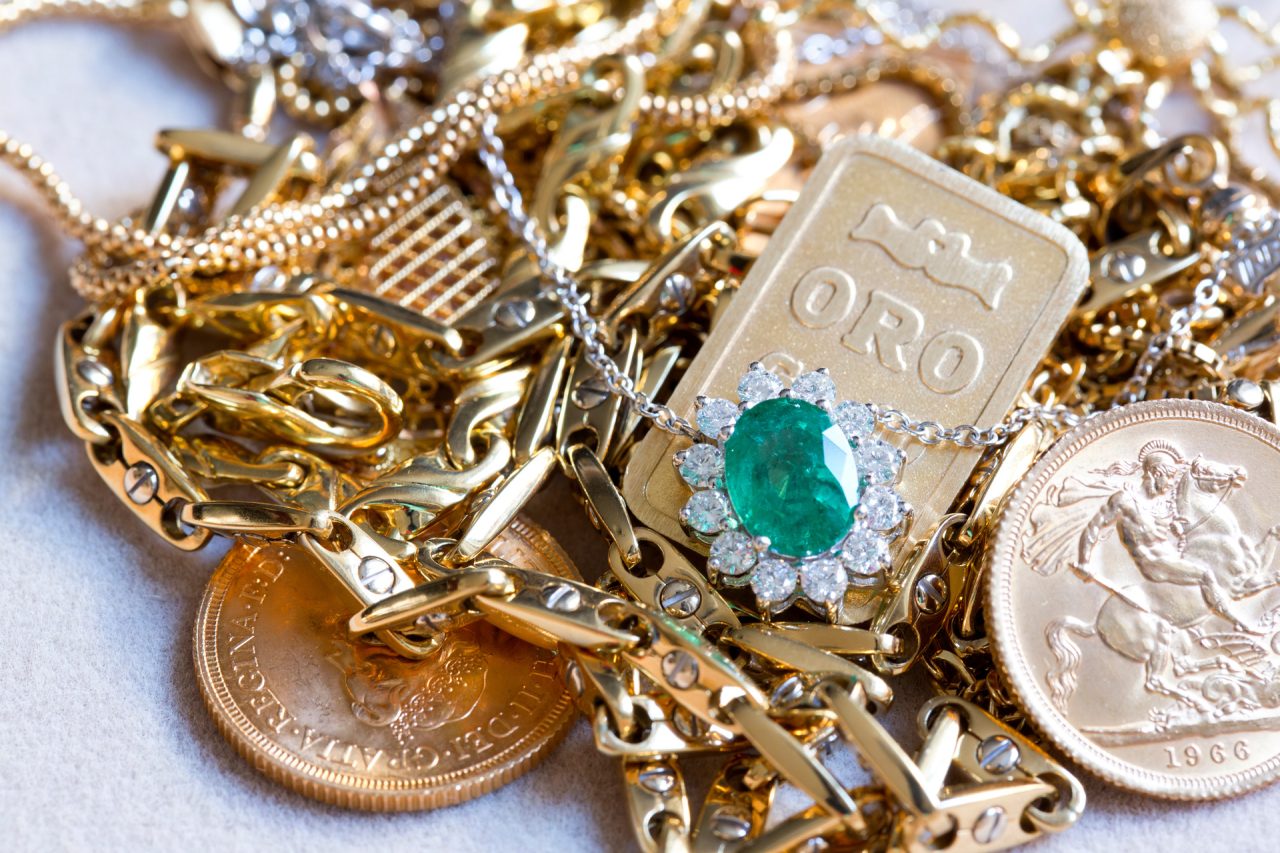
Estate jewelry has a funny way of sneaking up on people. One day it’s just sitting in a drawer, a brooch from a grandmother or a watch inherited from an uncle. The next day, someone realizes that little piece of family history is not only beautiful but also valuable. That’s the magic of estate jewelry: it carries stories, craftsmanship, and sometimes, the kind of financial opportunity that makes the average savings account look boring.
What Counts as Estate Jewelry?
The definition is broader than most people think. Estate jewelry simply means jewelry that has had a previous owner. That covers everything from a 19th-century diamond locket to a gold bracelet bought in the 1970s. It doesn’t have to be old enough to collect dust in an antique shop—just previously loved.
The beauty of this category is variety. Styles range from delicate Victorian filigree to bold Art Deco lines, mid-century modern simplicity, and even some very “groovy” pieces from the 1960s and 70s. Each one offers something unique, whether it’s history, artistry, or a chance to own something that isn’t mass-produced.
The Sentimental Side
For many families, estate jewelry holds deep emotional value. Engagement rings, wedding bands, or anniversary gifts often end up passed down through generations. Wearing a piece that belonged to a loved one is like carrying a piece of family history on a finger or around a neck.
Of course, not every heirloom fits current tastes. A giant cocktail ring might have made perfect sense in 1955, but today it might look more like a conversation starter than daily wear. That’s where decisions come in: keep it for sentiment, rework it into a new design, or explore selling it to someone who appreciates it exactly as it is.
The Financial Side
Here’s where estate jewelry becomes more than just nostalgia. Precious metals and gemstones carry value regardless of fashion. Gold doesn’t suddenly become worthless because styles change, and diamonds don’t stop sparkling because they’re a few decades old.
Sometimes, selling estate jewelry can provide funds for new opportunities—a down payment, a vacation, or simply clearing some space in the jewelry box. On the other side, buyers often discover they can purchase estate pieces of higher quality for less than what similar new pieces would cost. It’s a win-win, depending on which side of the transaction someone is on.
Why Estate Jewelry Appeals to Collectors
Collectors love estate jewelry for its craftsmanship and uniqueness. Many older pieces were made by hand, with techniques not widely used anymore. A bracelet from the Art Deco era, with its geometric designs and platinum setting, isn’t just jewelry—it’s wearable history.
Watches, too, fall into this category. Vintage timepieces are highly collectible, and in many cases, their value increases over time. A classic wristwatch may have ticked away the hours for decades, but with proper care, it can keep doing so for decades more, all while appreciating in value.
Estate Jewelry as Sustainable Luxury
There’s also an environmental angle worth mentioning. Estate jewelry represents sustainable luxury. Instead of mining new gold or cutting new gemstones, existing materials are reused and preserved. It’s recycling, but far more glamorous. Every time someone chooses estate jewelry, it reduces demand for newly extracted resources and keeps history alive at the same time.
Tips for Owners and Buyers
For those holding onto estate jewelry, the first step is always understanding what’s there. Appraisals can reveal the true value of a piece, whether it’s a diamond brooch or a string of pearls. Storage matters, too. Keeping jewelry clean, dry, and secure helps maintain its value, whether the decision is to hold onto it or eventually sell.
For buyers, estate jewelry offers access to unique designs and high-quality craftsmanship. The key is finding trusted experts who can verify authenticity and provide transparency about gemstones and metals. That way, the piece purchased is both beautiful and a sound investment.
The Humor in Heirlooms
Estate jewelry sometimes sparks funny situations. Families occasionally discover pieces no one remembered existed—like a ring hidden in the lining of an old jewelry box or cufflinks tucked in a jacket pocket from 40 years ago. Suddenly, the heirloom hunt feels more like a treasure hunt.
There’s also the moment when someone tries on a bold vintage necklace and realizes it looks less like red-carpet fashion and more like costume jewelry from a sci-fi movie. But that’s the fun of estate jewelry—style is subjective, and what one person thinks is outrageous, another sees as a perfect statement piece.
Closing Thoughts
Estate jewelry sits at the crossroads of history, beauty, and opportunity. Some pieces are kept as cherished heirlooms, others are sold to become part of new collections, and many simply remind us that style never really disappears—it just evolves.
Whether a person sees estate jewelry as a family memory, a financial asset, or a collectible treasure, its significance remains. Every piece carries a story, and every story adds to its value.
As someone who has spent decades handling estate jewelry in Metairie, it’s clear that these items are more than metal and stone. They’re little pieces of time, handed down and repurposed, waiting to be appreciated all over again.