

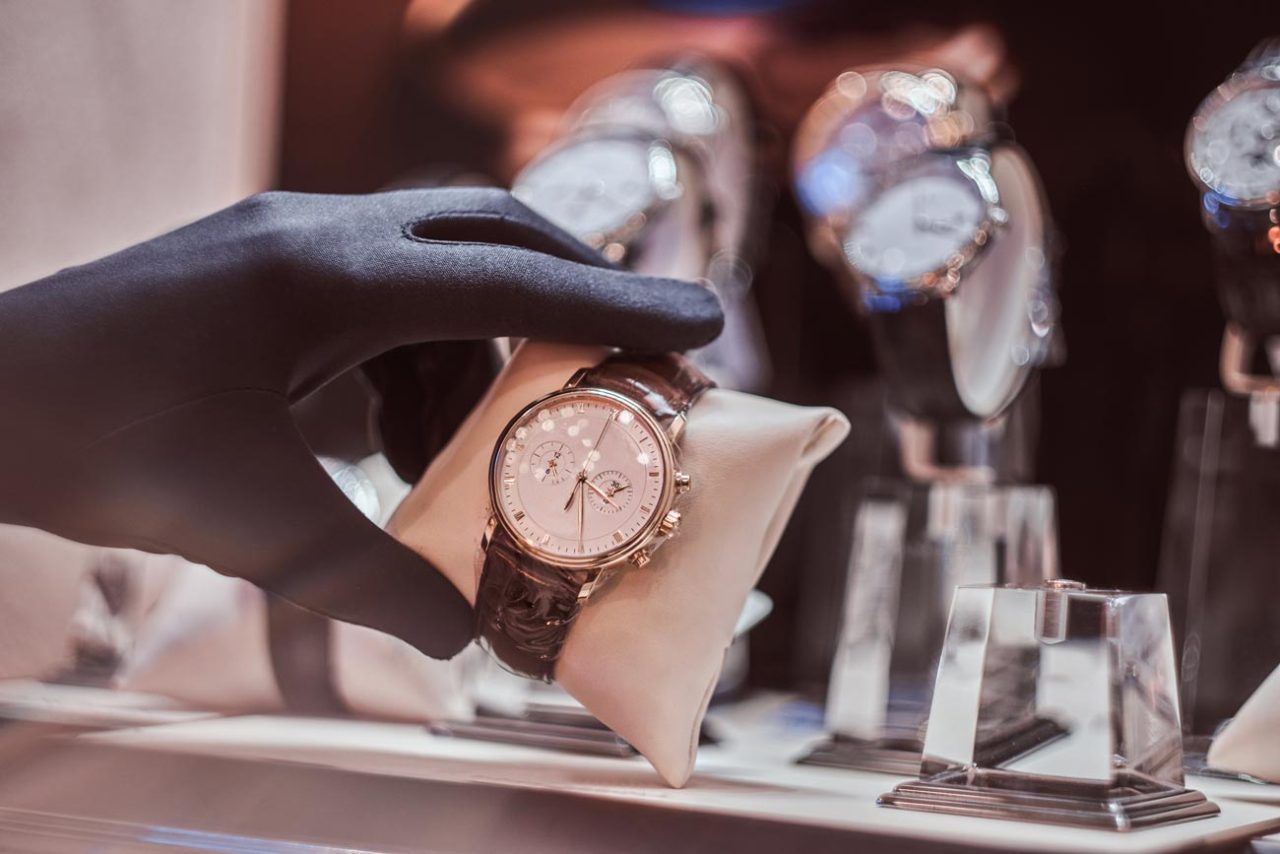
Luxury watches are more than accessories—they’re wearable investments. Some are passed down through generations, others purchased to mark milestones or success. Whatever the backstory, there often comes a time when a timepiece needs to be appraised, evaluated, or sold. In the Gulf South, there’s been steady interest in reselling high-end watches, and understanding what makes them valuable can make all the difference.
Not all watches hold the same value. Two pieces from the same brand can have wildly different resale outcomes based on a variety of factors. Recognizing these details is critical before entering the resale market, whether the goal is to downsize a collection, fund a new purchase, or settle an estate.
Brand and Model Always Matter
Some names ring louder in the resale world. Rolex, Patek Philippe, Audemars Piguet, Omega, and Richard Mille are among those brands that consistently maintain high market value. That said, even within these brands, not all models hold equal ground.
Certain references rise above others due to rarity, complications, historical significance, or even association with pop culture. For example, a standard Datejust may not carry the same resale power as a Daytona or Submariner. The reference number, production year, and original sale region all play a role in shaping desirability.
Understanding which models retain their value and which ones fluctuate requires attention to market trends. Popularity can shift depending on global demand, discontinued references, or new releases from the brand.
Originality and Condition
Condition is the cornerstone of value. A watch in pristine shape will always command more than one with visible wear. That includes not only the case and crystal but also the bracelet, clasp, and even the movement.
But condition alone isn’t enough—originality counts just as much. Collectors and buyers often shy away from watches that have been modified or over-polished. Factory-original parts, bezels, dials, and even the hands matter. Replacements using non-OEM parts or refinished dials may hurt value significantly.
Servicing history can help or hinder. A properly serviced watch with documented work using original manufacturer components may boost confidence in the timepiece. However, signs of amateur repair or aftermarket customization usually work against the seller.
Box, Papers, and Provenance
One of the most overlooked aspects of resale value is the presence of original documentation. The original box, warranty card, service booklet, and even store receipt can increase the value substantially—sometimes by thousands of dollars, depending on the model.
These extras are proof of origin and authenticity, which is especially important in a market where counterfeits exist. Original packaging shows that the watch has likely been cared for and provides assurance to the next buyer.
Provenance is another layer that adds value. If a watch has a known ownership history or connection to a notable collector, that history can enhance the appeal. While this is more common in vintage or rare timepieces, it’s a detail that shouldn’t be overlooked.
Local Market Considerations
Selling a watch in Louisiana comes with its own regional quirks. In cities like Metairie, New Orleans, and Baton Rouge, there is strong demand for certain styles—particularly diver and sport models that are built to withstand heat and moisture. Stainless steel watches tend to move faster than formal dress pieces, and functional versatility is often preferred over ornate design.
Estate sales, insurance appraisals, and generational inheritance often bring luxury watches into the market here. In some cases, sellers may not know the full story of the watch they’ve inherited. Having a trusted buyer inspect and evaluate it in person helps determine if there’s hidden value.
In Metairie and surrounding areas, watches like the Omega Seamaster, Panerai Luminor, and certain TAG Heuer models also carry weight, though value depends heavily on model specifics, service history, and current market trends.
Trends and Timing
Like any investment market, timing matters. The value of certain luxury watches fluctuates depending on broader trends. A watch that was in high demand two years ago may have cooled off due to new releases or market saturation.
Conversely, some pieces appreciate over time—especially discontinued models or references with historical significance. Keeping track of current values and timing a sale strategically can lead to a better return.
Fluctuations are also influenced by global events. Interest rates, inflation, and currency exchange rates all affect how watch values perform on the secondary market. Collectors and investors track these movements closely, and sellers benefit from aligning their timing accordingly.
Selling Smart
Luxury watches require more than casual transactions. These items deserve careful handling, evaluation, and documentation. Selling through a secure and experienced local buyer ensures both sides walk away informed.
At KenWorks in Metairie, evaluations are done with transparency. Condition, market demand, and model details are all factored into the pricing process. Each watch is unique, and each evaluation reflects that.
Understanding what makes a watch valuable can save time, reduce stress, and result in a better outcome. Whether a vintage piece with decades of history or a recent model bought straight from the boutique, taking the time to assess the key details always pays off in the long run.