

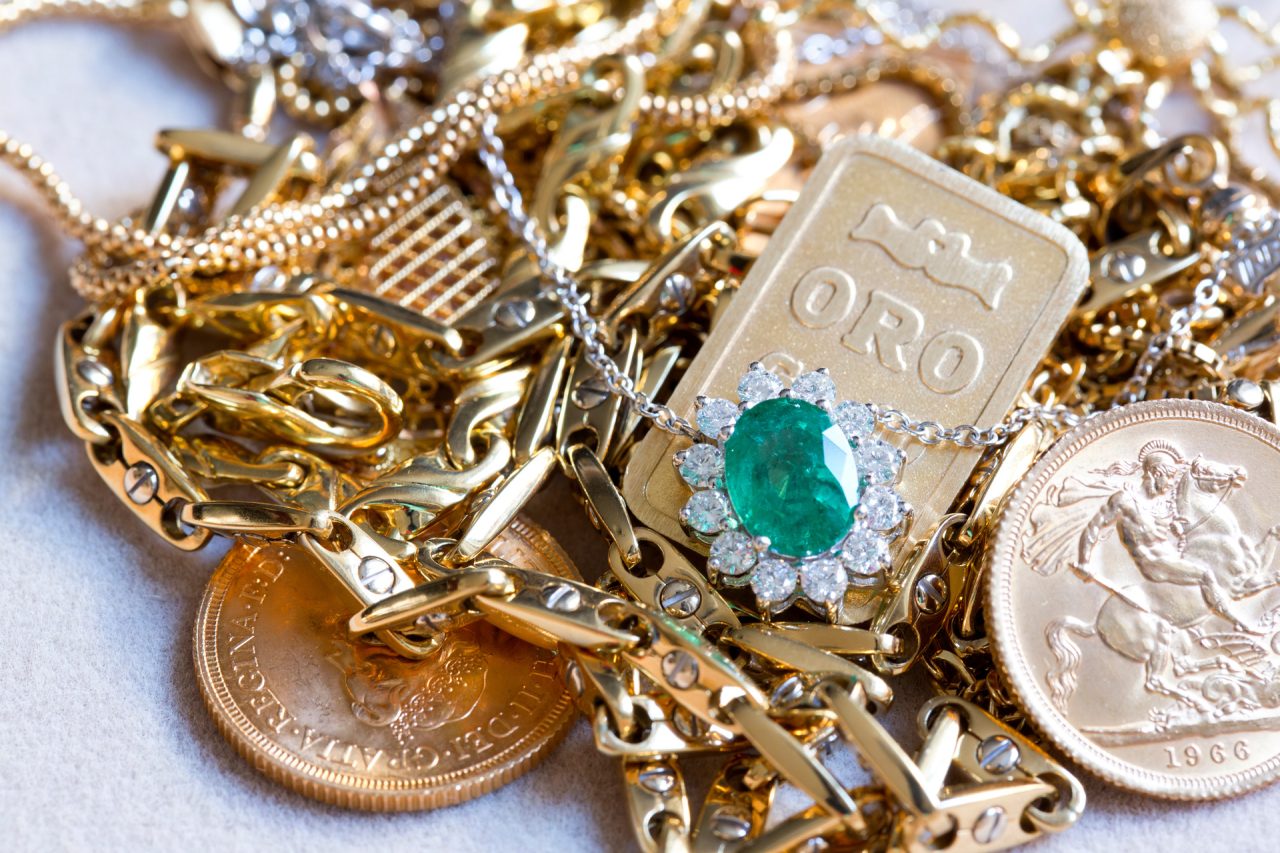
Family heirlooms are more than just objects; they are time capsules filled with memories, emotions, and stories that connect generations. These pieces, whether they are a grandmother’s wedding ring, a vintage pocket watch, or an antique silver tea set, hold a special place in our lives because of the people and events they represent. Understanding the sentimental value of heirlooms and learning how to care for them ensures they can continue to carry family traditions into the future.
Why Heirlooms Matter
An heirloom’s true value often lies far beyond its material worth. A simple gold necklace may not fetch much at an auction, but if it belonged to a loved one who wore it every day, its significance is priceless. Heirlooms remind us of the people who shaped our lives and the values they cherished.
Take, for example, a well-worn silver platter that has graced holiday tables for decades. That platter might not be flawless anymore, but every scratch and tarnished corner tells the story of family gatherings, shared meals, and moments that have become cherished memories. These items become symbols of love, perseverance, and the bonds that hold families together.
Preserving Heirlooms for Future Generations
While heirlooms are treasured for their sentimental value, they also require proper care to ensure they survive the test of time. Many are made of delicate materials like gold, silver, or gemstones that can degrade if not handled and stored correctly. Preservation is not just about maintaining the item’s appearance but also about safeguarding the memories and legacy it represents.
1. Store Items Properly
Humidity, light, and temperature fluctuations can wreak havoc on heirlooms. Jewelry and silver should be stored in a dry, cool place, ideally in a protective case or cloth pouch. For silver items, adding anti-tarnish strips to the storage container can help prevent discoloration.
2. Clean Gently and Correctly
Avoid using harsh chemicals or abrasive materials that can damage delicate surfaces. For gold and silver, a soft cloth and a gentle cleaning solution are often all that’s needed. Gemstones may require special attention depending on their type; some are surprisingly fragile and can crack under pressure.
3. Perform Regular Inspections
Over time, settings on rings can loosen, and clasps on necklaces can wear down. Periodic inspections by a professional can catch these issues before they result in lost stones or broken pieces. Addressing minor repairs early helps preserve the integrity of the item.
4. Document the Story
Part of an heirloom’s magic is the story it tells. Write down or record the history of the piece—who it belonged to, how it was acquired, and the memories associated with it. This not only adds to its sentimental value but also ensures future generations understand its significance.
Passing Heirlooms Down
Gifting an heirloom to a loved one is a meaningful way to celebrate life’s milestones. A diamond ring passed to a granddaughter on her wedding day or a pocket watch given to a grandson at his graduation carries not just the item itself but also the weight of family history. These moments strengthen bonds and create new chapters in the life of the heirloom.
When passing down an heirloom, consider including a note or recording that explains its history and significance. This adds depth to the gift and ensures the recipient knows just how special it is.
Adapting Heirlooms for Modern Life
Not all heirlooms are immediately wearable or usable in their original form. A brooch that was fashionable decades ago might sit in a jewelry box untouched today. Rather than letting these treasures gather dust, consider modernizing them.
For example, a brooch can be transformed into a pendant, or a set of silverware can be repurposed into decorative art for the home. These adaptations breathe new life into heirlooms while preserving their essence.
Heirlooms as Bridges Between Generations
In an age where so much of life feels fleeting, heirlooms offer a tangible connection to the past. They serve as a reminder that while times may change, the values and traditions of a family endure. They also act as a bridge, bringing together younger generations with those who came before them.
Imagine a child asking about the ring their great-grandmother wore every day or the old pocket watch that stopped ticking decades ago. These moments of curiosity create opportunities to share family stories, ensuring that the legacy continues.
The Role of Professional Care
While it’s possible to manage basic cleaning and maintenance at home, some heirlooms require the attention of a professional. Jewelers, silversmiths, and restoration experts can assess items for damage, perform repairs, and offer guidance on proper care.
Restoration can be especially valuable for heirlooms that have suffered wear and tear over the years. A loose diamond can be reset, tarnished silver can be polished, and broken clasps can be replaced. These efforts restore the item’s appearance and usability while preserving its history.
Conclusion
Family heirlooms are more than just objects; they are carriers of memories, symbols of love, and links between generations. By caring for them properly and sharing their stories, families ensure these treasures continue to bring joy and meaning for years to come.
Whether it’s a silver tea set that has been in the family for decades or a simple ring that holds a lifetime of memories, each heirloom tells a story worth preserving. Taking the time to protect and cherish these items is a way of honoring the past while keeping it alive in the present.
Heirlooms are not just things; they are legacies. Treat them with the respect they deserve, and they will continue to shine as reminders of the people and moments that make a family unique.