

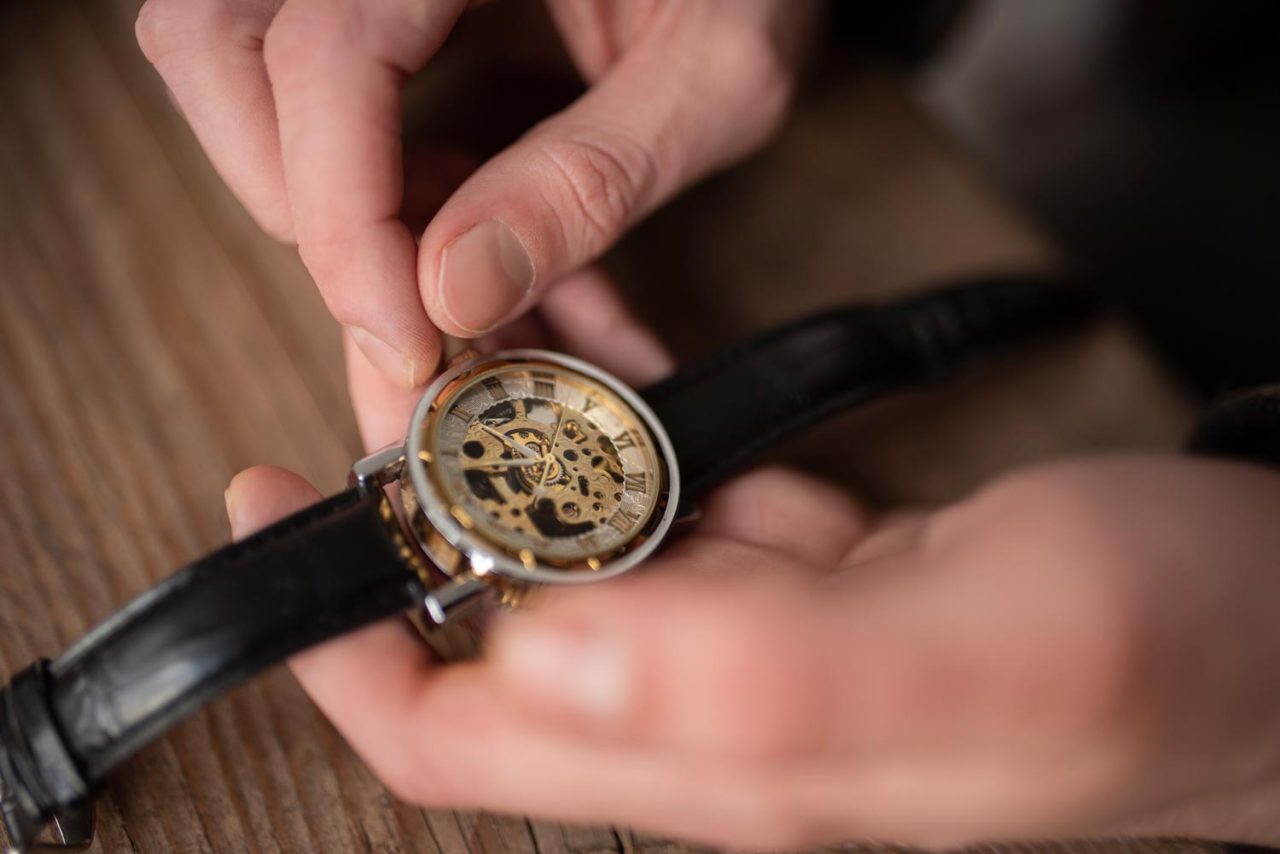
A watch is more than a device for telling time—it’s a little mechanical universe strapped to the wrist. Every gear, spring, and jewel is working in harmony to keep those hands moving. But like any hardworking machine, a watch doesn’t stay in perfect shape forever. It needs the occasional tune-up. The trick is spotting the signs before a small issue turns into a full-blown horological disaster.
When Time Gets Creative
One of the easiest ways to tell a watch needs attention is when it starts keeping time like a jazz musician—fast one moment, slow the next. Sure, it might add a certain charm to the day, but in reality, inconsistent timekeeping usually means the movement needs cleaning, lubrication, or demagnetization. Left alone, it won’t “work itself out.”
The Winding Workout
Winding a watch should feel smooth, almost satisfying. If the crown starts fighting back, skipping, or making a grinding sound, that’s not character—it’s trouble. Forcing it will only make things worse. Think of it like opening a jar with a stuck lid; apply too much force and something’s going to snap, and it probably won’t be the lid.
The Unwanted Weather Report
Condensation inside the watch crystal is one of those problems that moves from “hmm, that’s odd” to “oh no” very quickly. Moisture means a seal has failed somewhere, and even the tiniest droplet can lead to rust. The internal components of a watch are about as fond of water as a cat is of bath time. Immediate servicing is the only smart move here.
Power Naps that Last Too Long
A watch with a healthy mainspring and clean movement will run for the expected length of its power reserve. When it starts quitting early, even after a full wind, it’s usually a sign of dried-out lubricants, worn components, or a tired mainspring. It’s the mechanical equivalent of someone claiming they can run a marathon but giving up after the first mile.
Strange New Sounds
A properly running watch movement hums along quietly. Clicks, grinding noises, or rattles mean something’s out of place. It’s not the kind of surprise that goes away on its own—more like hearing a clunk in the car and thinking, “It’s probably fine” until the wheel falls off.
Trouble Setting the Time or Date
The crown is the direct link to the movement, and if it becomes loose, overly stiff, or fails to engage the hands or date mechanism properly, there’s a problem. Continuing to twist and push at it will likely result in more damage, so this is one of those times when stubbornness is not a virtue.
The Calendar Reminder No One Checks
Most watches should be serviced every three to five years, depending on their design and how often they’re worn. Unfortunately, many watch owners treat this like a dentist appointment—something to delay until there’s visible pain. Preventive servicing is far cheaper and easier than repairing worn-out components later.
Environmental Hazards
Watches face more hazards in daily life than most people realize. Dust, humidity, shocks, and magnetic fields are the big four. Temperature changes can cause gaskets to contract, humidity can test the limits of water resistance, and magnets from phones or speakers can throw a movement completely off. While a watch may seem like it’s built for rugged life, it still needs help from time to time to keep all those challenges from taking their toll.
Stored Doesn’t Mean Safe
Even watches that spend most of their time in a box aren’t completely safe from the ravages of time. Lubricants can dry out, seals can become brittle, and components can seize up. A watch that hasn’t been worn in years should be inspected before it’s put back into daily service. Think of it like taking a classic car out of the garage—you wouldn’t just jump in and drive cross-country without checking under the hood first.
Why Servicing Matters
A proper service isn’t just about fixing what’s broken. It involves disassembling the movement, cleaning each component, replacing anything worn or damaged, reassembling with fresh lubrication, and testing for accuracy. Water-resistance seals are also replaced to protect against moisture. Skipping these steps in the name of saving money often ends up costing far more later when parts have to be replaced instead of simply cleaned and adjusted.
A Matter of Heritage
Many watches are more than just personal accessories—they’re heirlooms. Whether it’s a vintage mechanical piece from a grandparent or a modern sports watch worn every day, the value is in both the object and the history behind it. Regular maintenance preserves not only the function but the legacy, ensuring it’s ready to be passed down to the next generation without apology or explanation.
Final Thoughts
A watch is an intricate, finely tuned piece of engineering. It’s also a little bit like a pet—it can’t tell you when it’s feeling unwell, so it’s up to the owner to recognize the signs. When time starts getting creative, winding becomes a workout, or condensation appears where it shouldn’t, those are not quirks to ignore. Servicing on schedule and addressing problems early will keep any timepiece running reliably and looking sharp for years to come.