

By Ken Bowers | Owner, KenWorks | Metairie, Louisiana
Every so often, someone walks into the shop holding a watch like it’s a winning lottery ticket. “It’s old,” they say. “It must be valuable.” Sometimes, that’s true. Sometimes, it’s just… old.
Watch valuation isn’t about gut feelings, and it’s definitely not about what someone’s uncle paid for it in 1984. It’s a mix of science, history, craftsmanship, and, occasionally, a touch of collector obsession. Whether it’s a thrift-store quartz or a family heirloom that ticks with the rhythm of Swiss precision, there are a few key things that determine what it’s actually worth—and no, sentimental value doesn’t count on an appraisal.
It Starts with the Movement
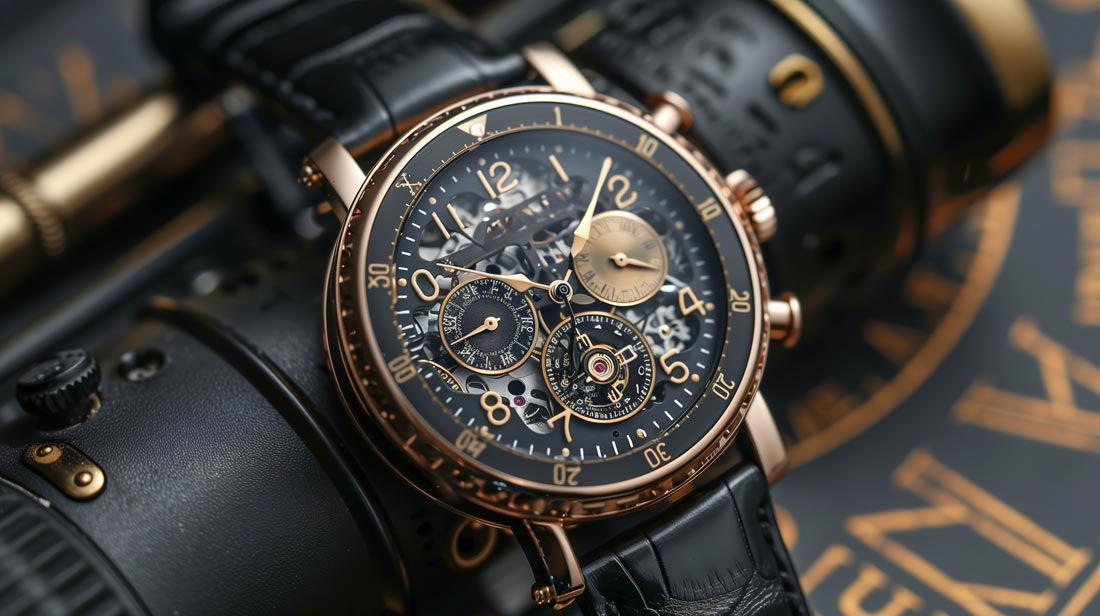
If watches had a résumé, “movement” would be at the top under job experience. Quartz movements, powered by batteries and controlled by a vibrating crystal, are efficient and reliable. They’re also produced by the millions, which keeps resale value on the modest side—even if the watch face has a nice shine.
Now mechanical movements—that’s where things get interesting. Whether it’s hand-wound or automatic, a mechanical watch requires tiny gears, springs, and a whole lot of precision. That craftsmanship is exactly what collectors chase. If a quartz watch is a microwave dinner, mechanical is a made-from-scratch gumbo: more work, more flavor, and sometimes worth a lot more.
Swiss mechanicals in particular have a reputation for craftsmanship and heritage. Think of them like the jazz musicians of the watch world—timed to perfection, playing by their own rules, and always getting invited to the big shows.
Age: Not Just a Number
Older doesn’t always mean better—just ask anyone who’s tried to start a lawnmower from 1972. But in watches, age can be a value booster, especially if the watch still has its original parts and hasn’t been through the horological version of a midlife crisis (looking at you, over-polished cases and mismatched hands).
Vintage watches from the mid-20th century are in high demand. The catch? They’ve got to be in good shape. And by good, that means clean movement, minimal wear, and no “creative” replacements like putting a Rolex face on a Timex body. Yes, it happens. No, it doesn’t fool anyone.
Brand Names Carry Weight—Some More Than Others
A Rolex will generally out-value a watch from a brand no one can pronounce without a Google search. But it’s not just about popularity. Some brands have built reputations over generations, producing iconic models that collectors line up for.
That said, not all Rolexes are created equal. Some models are more desirable than others, and rarity matters. Limited editions, discontinued styles, or historical significance can send a watch’s value through the roof, while more common models may just hover in the respectable range.
Condition: The Elephant in the Watch Box
Even the fanciest brand with the finest movement can lose value if it’s in rough shape. Scratches, cracks, or “creative” repairs drop the price faster than a watch dropped into a swimming pool.
Unpolished cases are prized. The original finish matters. Replacing factory parts with aftermarket ones? That’s like putting fuzzy dice in a Rolls-Royce—cheapens the whole experience.
Service history matters too. Watches that have been cared for, cleaned, and maintained—especially by authorized service centers—tend to hold their value. Ones that “haven’t run since the ’90s” tend to sit quietly in drawers until someone finally brings them in with hope and a dusty box.
The Extras: Boxes, Papers, and a Bit of Provenance
Original packaging isn’t just for show. A watch with its box, warranty card, receipt, and even the hang tag has more appeal than one floating loose in a sock drawer. Documentation tells a story—and collectors love a good story.
Now, if that story happens to include a famous wrist or a moment in history, even better. Watches owned by celebrities or tied to historical events come with built-in mystique. But even watches without Hollywood connections benefit from a clear and traceable past.
Market Trends (a.k.a. What’s Hot Right Now)
The watch market shifts like the Mississippi River after a storm. One year it’s all about minimalist dress watches, the next it’s rugged dive models with chunky bezels. Stainless steel sports watches have had a strong run lately, thanks in part to their durability and classic looks.
Materials matter too—gold, titanium, ceramic—all play a role. So do complications like chronographs, moonphases, and power reserves. The more bells and whistles (done right), the higher the interest from buyers.
The Bottom Line
Watch valuation is a blend of technical understanding and a bit of market reading. Movement, age, brand, condition, and extras all come together to determine what a timepiece is worth—not just emotionally, but financially.
At KenWorks, the goal is to cut through the myths and give watches the credit (or reality check) they deserve. Whether it’s a high-end Swiss icon or a decades-old quartz with personal history, every piece gets a fair look.
So before calling a watch “priceless,” it helps to know what the market would actually pay for it. Turns out time really is money—sometimes more than expected, sometimes less. Either way, it always tells the truth.