

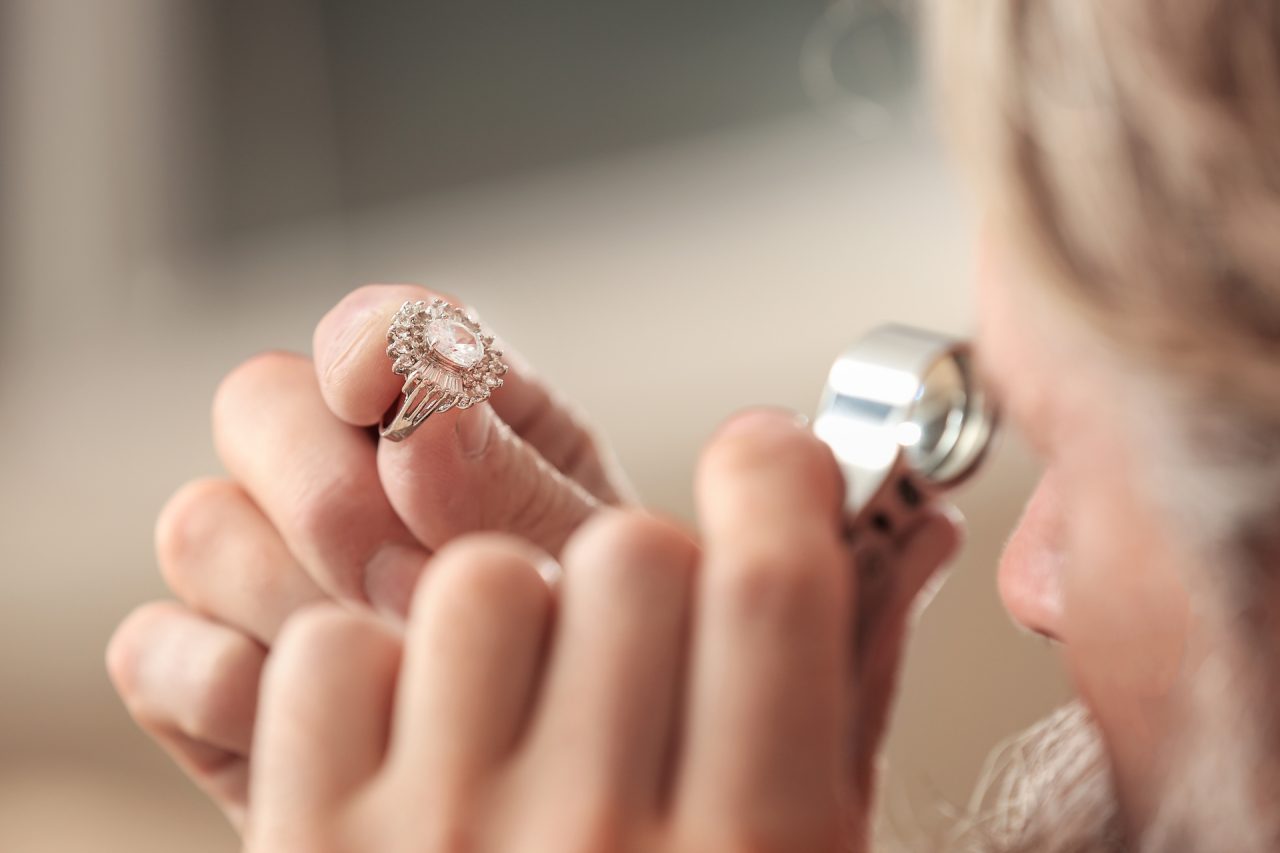
Diamonds and watches are funny things. On the surface, they may look simple — a shiny rock in a ring or a ticking bracelet on your wrist. But anyone who has spent time behind a jeweler’s bench knows better. These items carry not only financial value but also layers of craftsmanship, sentiment, and, sometimes, family drama worthy of a soap opera. That’s why proper appraisals matter so much.
At KenWorks in Metairie, I’ve seen everything from a flawless diamond passed down three generations to a “Rolex” that looked like it came free with a tank of gas. The point is, appearances can be deceiving. Appraising a diamond or watch takes more than squinting and guessing. It’s a process that combines science, experience, and a little patience for the unexpected.
Diamonds: More Than Just Sparkle
Let’s start with diamonds. Everyone’s heard of the famous “Four Cs”: carat, cut, color, and clarity. But what most people don’t realize is just how exacting those measurements are.
Carat weight, for instance, isn’t just about tossing a stone on a scale and calling it a day. Even the tiniest decimal point can change value significantly. Cut is about how the stone interacts with light — which is why one diamond seems to explode with brilliance while another sits there like a lump of sugar. Color is graded on a spectrum where the absence of color is often most prized, although I’ve seen collectors chase unusual tints with equal passion. And clarity? That’s where the microscope comes out. Little inclusions invisible to the naked eye can still shift the stone’s overall grade.
Of course, tools help. Thermal testers, spectrometers, and microscopes all play their part. But the real trick is combining what the instruments say with what the market values. A diamond can be technically flawless but still sit unsold if the market is craving something else. It’s part science, part economics, and a dash of common sense.
Watches: Timing Is Everything
Now, watches — those are an entirely different beast. A luxury watch is equal parts engineering marvel and fashion statement. Appraising one means first confirming what you actually have. With counterfeits floating around, authentication is step one. Serial numbers, hallmarks, engravings, and movement checks all matter.
Condition comes next. A pristine dial or original bracelet can mean the difference between a watch that makes collectors drool and one that gets polite applause. Limited editions, discontinued models, or references with historical quirks usually push value upward. And yes, service records matter too. A watch that’s been cared for is like a car with regular oil changes — it runs better, lasts longer, and makes buyers feel safer about their purchase.
Sometimes, I’ll run timing tests just to see how accurate the movement is. If a watch can’t keep time within reason, it doesn’t matter how flashy it looks — it’s a liability. Think of it this way: a luxury timepiece that doesn’t keep time is just expensive jewelry that happens to tick.
The Market Matters
Technical details tell part of the story, but the market writes the ending. Diamonds and watches rise and fall in value depending on demand, availability, and global trends. What sold for a premium five years ago may not command the same today. And what seemed like an everyday piece last year might suddenly become highly collectible.
Appraisals require staying in touch with auction results, dealer prices, and shifting tastes. It’s not enough to know that a diamond is flawless or a watch is authentic; you also have to know what people are willing to pay for it in the real world. That’s where experience comes in. Numbers and tools lay the foundation, but judgment rounds it out.
Why People Need Appraisals
Clients come to me for appraisals for all kinds of reasons. Some need insurance coverage in case of loss or theft. Others are preparing to sell a piece and want to set a fair price. Estate planning and legal cases also rely on accurate values to keep things fair. Each situation may call for a slightly different approach. Replacement value, for example, is often higher than resale value, and it’s important to know which one applies.
Skipping a professional appraisal can lead to overpaying, underinsuring, or bickering among heirs — none of which anyone wants. A proper document, backed by expertise and standards, keeps everyone on the same page.
Challenges of the Trade
This work isn’t without its challenges. Diamonds can be treated to appear better than they really are, and spotting those treatments requires sharp eyes and the right equipment. Watches sometimes come with aftermarket parts that reduce value even if they function fine. And of course, the global economy can flip values upside down in a matter of months.
That’s why reappraisals matter. A diamond valued today may need reevaluation in a few years as markets shift. Watches in particular can surprise you — a discontinued model might suddenly become the next hot collectible, while another fades into obscurity.
A Blend of Science and Craft
At the end of the day, appraisal is a curious mix. There’s the science: scales, microscopes, timing machines. And there’s the craft: judgment, knowledge of history, awareness of trends. Both matter equally. Without the science, appraisals are guesses. Without the craft, they’re incomplete.
From behind the jeweler’s bench, every appraisal feels like a puzzle. The fun part is putting the pieces together. Sometimes that puzzle reveals a rare treasure; sometimes it reveals a well-made fake. Either way, the process ensures clients know the truth about what they hold in their hands.
The Takeaway
Diamonds and watches are more than luxury items. They’re investments, heirlooms, and symbols of life’s milestones. Understanding their value isn’t about ego or show — it’s about clarity, security, and fairness. Whether you need insurance coverage, want to sell, or are planning for the future, a proper appraisal ensures you know exactly what your piece is worth.
At KenWorks, I like to think of appraisals as part science, part storytelling. The tools and numbers give the hard data, but the story — of craftsmanship, rarity, and market trends — brings the appraisal to life. And if that story saves a client from overpaying for a “Rolex” that runs slower than a kitchen clock, well, that’s a good day at the bench.