

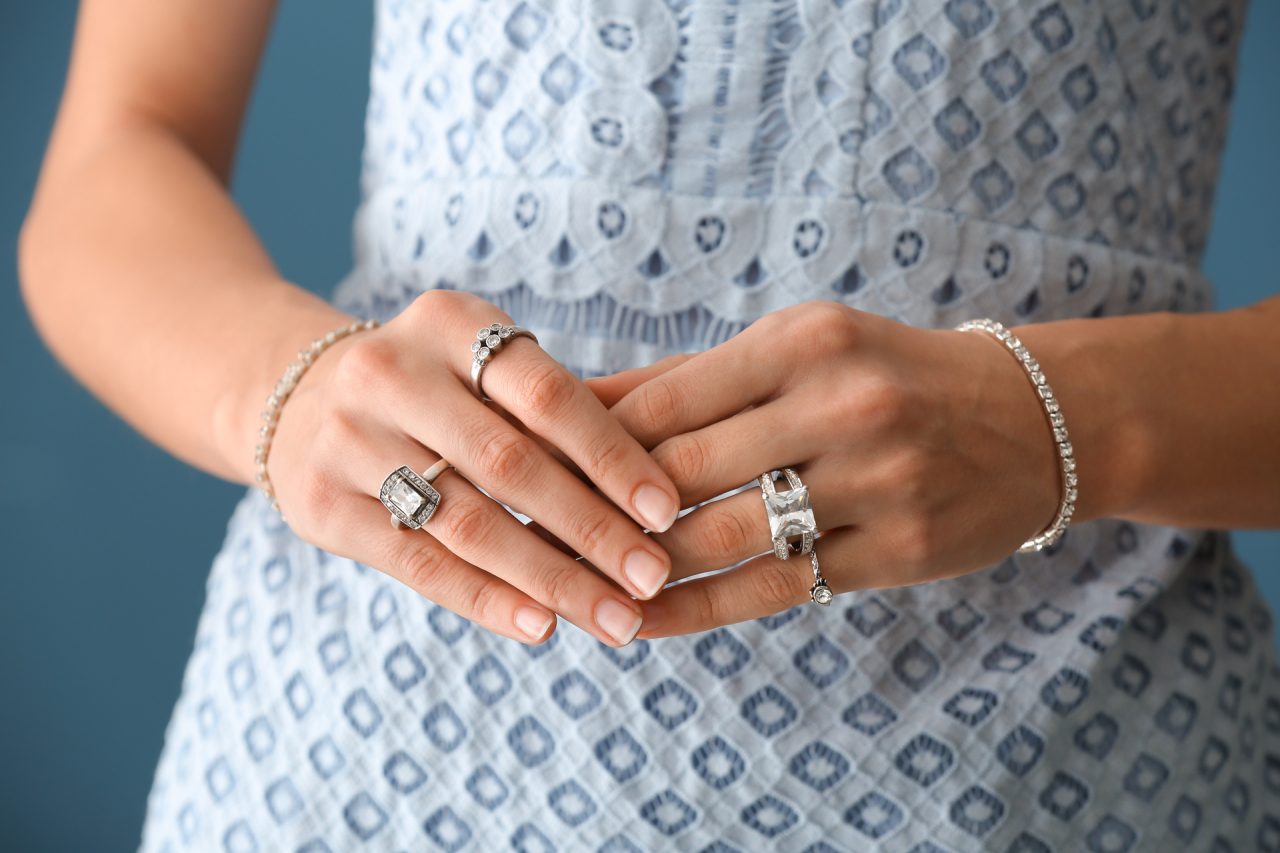
Let’s talk about rings. Not the ones that show up in horror movies or circus tents—but the ones that get slipped onto fingers during life’s biggest moments. Engagements, weddings, anniversaries, family heirlooms… they all seem like they’ll shine forever. But after enough dishwashing, handshaking, gardening, and gym sessions, even the sturdiest ring starts to whisper, “Hey buddy… I could use a break.”
As someone who’s spent years staring at rings under bright lights and magnifying lenses, I can tell you—those tiny whispers become loud problems if ignored long enough. So if the family diamond looks like it went twelve rounds with a belt sander, or your wedding band now resembles a pretzel, it might be time to stop pretending it’s “vintage” and start considering some professional attention.
The Subtle Signs: A Ring’s Way of Saying “Help”
Most rings don’t just fall apart in dramatic fashion (though I have seen a few snap in half while someone was trying to open a stubborn pickle jar). Instead, they give subtle little signs that they’re worn out and need repair or refinishing.
The most common? Thinning. Flip your ring over and check the underside of the band. If it looks like it’s been sanded down to spaghetti-thickness, that’s not just “natural aging”—that’s metal loss from years of wear. Left alone, it’ll eventually give way… usually when you’re least expecting it.
Loose stones are another red flag. If your diamond starts dancing when you shake your hand, or a gem starts clicking like it’s trying to start a conversation, the prongs might be loose. And prongs are like tiny bodyguards for your stones—once they stop doing their job, it’s only a matter of time before something valuable goes missing in the carpet.
Scratches, Dings, and the Disappearing Shine
Gold, silver, and platinum may sound tough, but they’re surprisingly polite metals. They bend, scratch, and dent easily when rubbed against keys, countertops, or other jewelry. If your ring’s once-sparkly surface now looks like it went down a gravel slide, refinishing can bring it back to life.
And don’t forget about rhodium plating for white gold. That brilliant white shine? That’s not the metal itself—it’s a coating. Over time, it wears down, leaving a dull yellowish hue in its place. This isn’t a disaster, but it is a cue that your ring’s protective layer has left the building.
Cleaning Isn’t Always the Fix
Some folks think a good cleaning will fix everything. Don’t get me wrong—soap, warm water, and a soft toothbrush can do wonders for getting rid of lotion buildup and sandwich crumbs. But if the sparkle doesn’t return after a solid scrub, or the band still looks like it wrestled a lawn mower, a trip to the shop is probably in order.
A professional refinishing includes buffing out deeper scratches, reapplying finishes, and, in some cases, restoring plating. It’s like sending your ring to a spa with a workout plan—it comes back shiny, fit, and far less grumpy.
What Happens If It’s Ignored?
That tiny crack on the band? It’ll grow. That slightly wiggly diamond? One wrong bump, and it’s gone forever—likely in the parking lot or the drain. Waiting too long can turn a small repair into a full-blown rescue operation.
I’ve seen rings where the only option was to cut them apart and rebuild them from scratch. That’s doable, but it’s kind of like replacing the frame of a classic car when a little bodywork would’ve done the trick six months ago. More time, more expense, and more stress.
The Odd Things People Do (and Shouldn’t)
This might be a good place to mention: glue is not a solution. Neither is dental floss, duct tape, or any type of home soldering kit. Rings are small, but they’re complex. A proper fix requires heat, precision, and the ability to avoid melting grandma’s emerald into a green puddle.
Also, resizing a ring with a hammer is technically resizing, but not in a way anyone would recommend. If a ring doesn’t fit, bring it in. The alternative usually involves regret and a Google search for “how to remove a ring with dental floss and cooking oil.”
When It’s Just Too Far Gone
Occasionally, a ring is so worn down that repairs just aren’t feasible without compromising its structure. In those cases, I suggest a replication—a new ring made to match the old one. It might not have the same scratches and stories, but it can still carry the memory and meaning.
Final Thoughts from the Bench
Rings, like people, show their age over time. They sag a little, lose some shine, and might need the occasional tune-up. That’s not a failure—it’s just a sign of life being lived. But catching the signs early means avoiding major breakdowns later.
So if a ring’s been through the wringer lately and could use a little professional care, don’t wait for it to give up during Thanksgiving dinner or a high-five. A quick repair or refinishing can keep it on that finger—and out of the repair bin—for years to come.