

By Ken Bowers, Owner of KenWorks – Metairie, Louisiana
Let’s talk jewelry care—the thing everyone assumes is common sense until a diamond pops out during dinner and ends up in the gumbo.
Jewelry doesn’t come with a warning label, but maybe it should. Something like: “Caution: tiny metal claws holding precious memories may loosen when ignored.” Doesn’t quite fit on a ring tag, but it would save a lot of heartbreak.
The truth is, even the most cherished pieces need routine inspections. Not because they’re poorly made, but because time, friction, soap, lotion, and life in general have a way of wearing things down. The good news? A little attention goes a long way. The even better news? Most folks can do some of it themselves—unless, of course, a loupe and a bench vise are foreign objects in the household.
The DIY Inspection: When It’s Safe to Play Jewelry Detective
Not every problem needs a microscope or a workbench. In fact, regular at-home inspections can prevent bigger issues from creeping in unnoticed.
Once a month or so, give those rings and earrings a close look. Under good lighting (not candlelight), check that prongs are still snug around the stone. Wiggle the gem gently—not like it owes money, but like you’re checking a loose tooth. If there’s movement, that’s a red flag.
Clasps are another common culprit. If a bracelet clasp pops open easier than a soda tab, it might be one pull away from a farewell tour. Hinges on lockets, watch bands, or specialty pieces can wear unevenly too. Anything that feels “off” usually is.
And yes, tarnish is a thing. It doesn’t necessarily mean something’s wrong, but it might mean it’s time for a polish. Pro tip: Don’t use toothpaste. Jewelry doesn’t have teeth, and that gritty paste is more abrasive than it seems.
The Professional Touch: When the Jewelry Starts Getting Smarter Than the Owner
Here’s where things get tricky. Not all problems can be spotted by the naked eye—especially if that eye is overdue for bifocals.
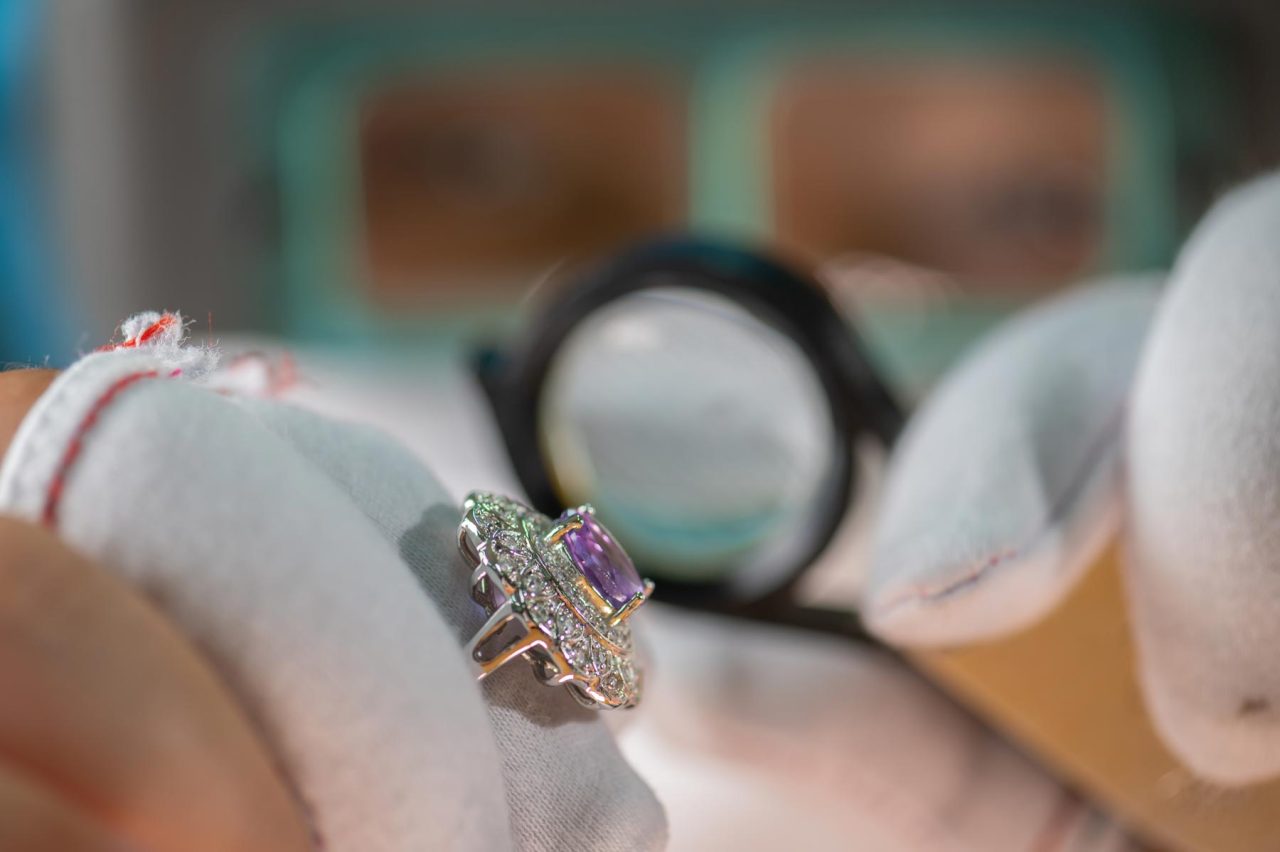
Professionals (the ones with magnifiers that make gemstones look like skyscrapers) can detect micro-cracks, metal fatigue, and sneaky settings that are slowly giving way. These aren’t things most people notice until it’s too late—usually when that sapphire ring looks suspiciously empty.
Some metals, like white gold, have coatings that wear thin over time. Others, like platinum, develop a patina that hides deeper damage. And vintage jewelry, for all its charm, often has invisible flaws hiding behind the ornate details. A pro can evaluate that with tools, experience, and a steady hand—none of which are typically found at the kitchen table.
How Often Is “Often Enough”?
This one depends on how often the jewelry gets worn. That diamond necklace pulled out once a year for weddings? A simple annual check will do. The engagement ring worn while gardening, cooking, and trying to beat rush-hour traffic? Every 6 months, minimum. If it’s something irreplaceable—like great-grandma’s art deco brooch—it deserves a quarterly visit just to make sure time hasn’t been unkind.
Chains get stretched. Prongs get bent. And invisible wear becomes very visible the moment a stone vanishes down a sink drain.
The Cost of Ignoring the Obvious
There’s nothing quite like the moment someone notices a stone missing. The slow-motion look down, the half-second of denial, and the inevitable question: “Was it there this morning?” By then, it doesn’t matter. The stone’s somewhere between the driveway, the grocery store, and maybe a squirrel’s new treasure hoard.
Repairs caught early cost less and hurt less—financially and emotionally. It’s not just about sparkle; it’s about structure. A ring can be polished and look like new, but if it’s one laundry cycle away from cracking, it won’t matter how shiny it is.
A Bit of Prevention
Regular checks—at home and by a professional—keep the good stuff good. Think of it like dental cleanings for jewelry. Skip them, and the problems add up. Stay on top of them, and the smiles stay intact.
And yes, there’s satisfaction in knowing a favorite piece is secure. No second-guessing every time a sleeve catches. No pulling out a loupe mid-dinner like a mystery novel detective. Just quiet confidence that the sparkle is staying put.
The Takeaway (and Not the Kind in a Doggie Bag)
Jewelry may be made of metal and stone, but it’s still a living part of someone’s story. It gets worn, dropped, hugged, loved, and—if not maintained—accidentally mangled.
The choice between a DIY glance and a professional inspection isn’t a competition. It’s teamwork. Check it at home, trust it to the bench when needed, and don’t let procrastination steal the shine.
After all, gumbo is for seasoning—not for fishing out sapphires.