

There’s something magical about fine jewelry. It’s small, shiny, and—if treated right—built to outlive just about everyone who ever owned it. But here’s the thing: jewelry might look timeless, yet it’s far from invincible. Those sparkling gemstones, precious metals, and intricate clasps all work hard behind the scenes, and like anything that works hard, they eventually need a checkup.
A jewelry inspection isn’t just about keeping things pretty. It’s about catching the little problems before they turn into big heartbreaks. After all, nobody wants to be the person who realizes a diamond’s missing somewhere between the salad bar and the parking lot.
Why Inspections Actually Matter
Jewelry takes more abuse than most people realize. Rings slam against countertops, necklaces get snagged on sweaters, earrings get tugged by hairbrushes, and bracelets endure more bumps than a Mardi Gras parade float. Over time, these small moments of impact loosen prongs, weaken solder joints, and stress clasps.
Think of it like a car—if you never check the oil, eventually, something’s going to smoke. Jewelry works the same way. It may not have an engine, but it’s built with moving parts and fine tolerances. Even a tiny shift in a stone’s setting can lead to a loose gem or a broken mount. Regular inspection keeps those problems from sneaking up unannounced.
The Secret World of Metal Fatigue
Gold, silver, and platinum all have one thing in common: they’re patient, but not eternal. Over years of bending, twisting, and polishing, they start to show their age. Prongs that once held diamonds snugly begin to thin out. Clasps lose their snap. Links in chains stretch just enough to look fine—until the day they don’t.
Metal fatigue doesn’t happen overnight. It creeps in quietly. A trained jeweler can spot early warning signs long before the damage becomes visible. The goal isn’t just to fix problems—it’s to stop them before they ever reach that “uh-oh” moment when a gem goes missing or a chain breaks mid-dance at a wedding.
How Often to Get Jewelry Checked
Here’s a simple rule: once a year is good, twice is better, and “whenever it looks funny” is mandatory. Everyday pieces like engagement rings, wedding bands, and bracelets deserve special attention because they get the most wear.
Rings in particular are troublemakers. They go everywhere—gardening, washing dishes, lifting groceries, even banging on steering wheels during traffic jams. The oils, soaps, and chemicals they encounter all take a toll. Checking them once a year (or every six months if they’re worn daily) is the best way to keep them from falling apart quietly.
For heirloom pieces or antiques, more frequent inspections make sense. Older metals and settings have lived long, adventurous lives and can be unpredictable. They deserve a little extra TLC—think of it as a wellness plan for your grandmother’s ring.
What Actually Happens During an Inspection
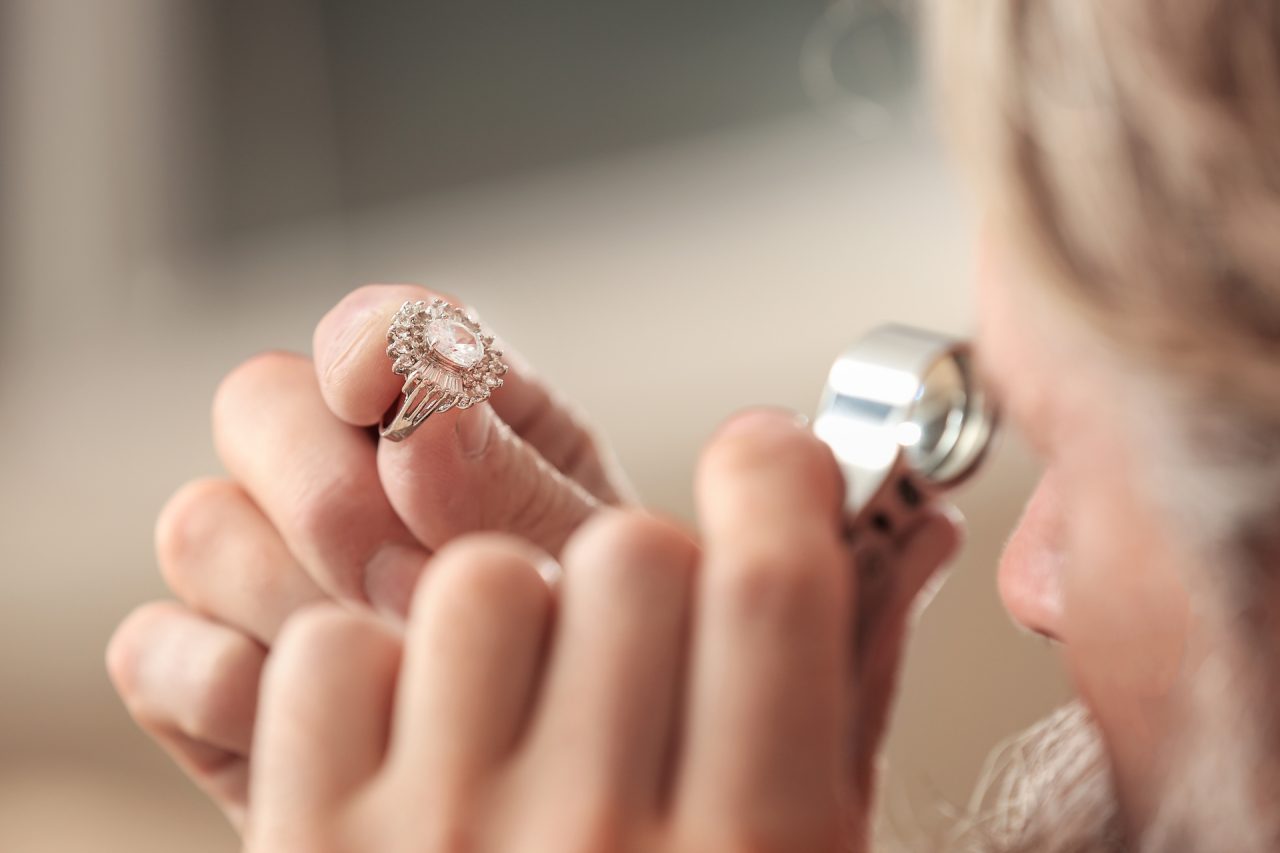
A proper inspection goes way beyond giving a ring a quick polish. Jewelers use loupes, microscopes, and specialized tools to check for signs of trouble. Each prong gets examined to make sure it’s tight. Each clasp is tested for tension. Gemstones are inspected for chips, cracks, or signs of movement.
Sometimes an ultrasonic cleaner or steam device is used to clear away grime and reveal what’s really going on underneath. It’s a bit like taking your jewelry to the spa, except the goal is survival, not relaxation.
The process is usually quick, painless, and worth far more than the cost or time involved. Most issues caught early can be repaired before disaster strikes.
The Sneaky Enemies of Jewelry
Everyone knows chlorine is bad for gold, but there’s a whole cast of villains that can cause damage. Lotion can build up under stones, creating a dull haze. Hairspray, perfume, and cleaning products corrode metal over time. Even hand sanitizer, the pandemic hero, can dry out softer materials and loosen adhesives.
Heat and cold are also culprits. Extreme temperature swings can make metals expand and contract, eventually loosening gemstones. Leaving jewelry in a hot car or taking a dip in a freezing pool might not break it instantly, but repeated cycles wear it down.
Stones That Need Extra Attention
Not all gemstones are created equal. Diamonds might have the reputation for being forever, but even they can chip along certain angles. Softer stones like opals, emeralds, and pearls are even more delicate. They don’t just need gentle handling—they need regular evaluation to ensure they’re properly set and secure.
Every gem has a different hardness, chemical makeup, and reaction to light and heat. Professional inspection takes these differences into account and ensures each piece is cared for according to its unique characteristics.
The Insurance Angle
Many insurance companies require documentation of condition to maintain coverage for valuable jewelry. Regular inspection records not only protect against unexpected loss but also serve as proof of responsible ownership. Think of it as your jewelry’s clean bill of health.
In the unfortunate event that something is lost or damaged, having an up-to-date inspection and appraisal makes the claims process smoother. It also ensures the replacement value reflects current market conditions rather than the original purchase price from a decade ago.
The Importance of Maintenance Records
Every inspection adds another entry to your jewelry’s story—a timeline of care that enhances both its sentimental and financial value. Just like keeping service records for a fine watch or a vintage car, this history demonstrates quality upkeep and authenticity.
Over time, that record becomes part of the jewelry’s legacy, especially for heirloom pieces passed down through families.
A five-minute checkup once a year can prevent that sinking feeling of looking down at an empty ring setting. The sparkle of fine jewelry may come from light and craftsmanship, but keeping it shining comes from responsibility—and maybe a little common sense.
Because in the end, the real brilliance of fine jewelry isn’t just how it looks under the lights—it’s knowing it’ll still be shining decades later, right where it belongs.