

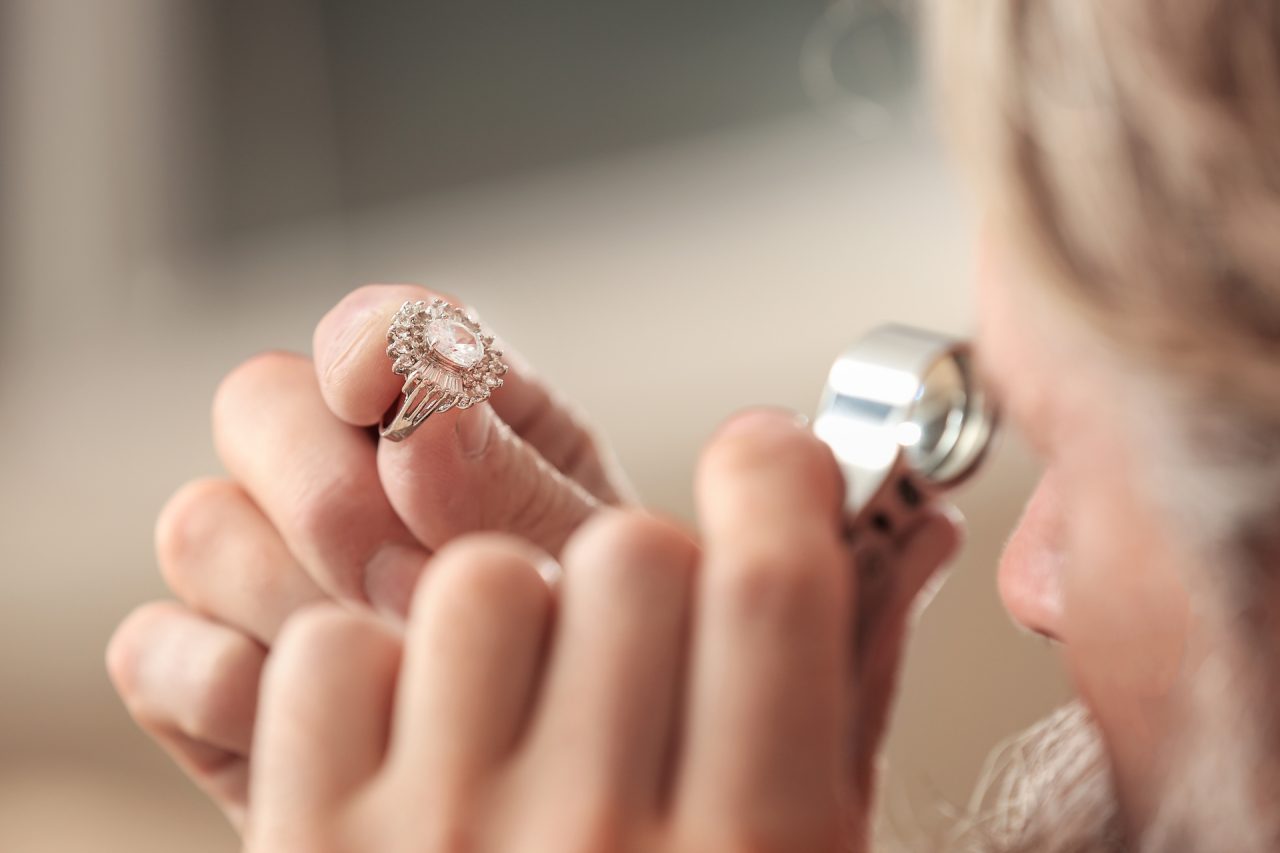
Jewelry pieces might look tough enough to survive daily life, but they experience far more stress than most people imagine. Rings get knocked around on doorknobs, bracelets drag across desks, necklaces pull against clothing, and earrings take the occasional hit from a hairbrush with something to prove. After years at the bench repairing every kind of mishap, one thing has become obvious: jewelry doesn’t fall apart suddenly. It gives out slowly, quietly, and usually with a few polite warning signs. Regular inspections are the best way to catch those signs before they turn into a lost stone or a broken clasp.
Loose stones are one of the most common issues found during inspections. Stones don’t usually pop out all at once. They start with a tiny wiggle so subtle most owners never notice it. That wiggle grows over time as prongs shift, metal thins, or the stone settles deeper into the setting. Eventually, one good bump sends it flying into the nearest carpet—never to be seen again. Inspections help catch that early movement while everything is still fixable.
Prongs deserve their own category because they take more abuse than any part of a jewelry piece. Prongs wear down from friction, get caught on clothing, snag on towels, and occasionally bend when introduced to countertops, shopping carts, or the steering wheel. A prong might look fine from far away while secretly thinning at the top. Inspections reveal those early wear patterns so prongs can be reinforced instead of replaced after they fail.
Structural wear shows up everywhere. Rings flatten slightly on the bottom from daily contact with hard surfaces. Chain links stretch and weaken from movement. Bracelet hinges loosen. Every piece of jewelry slowly adapts to the shape and habits of the person wearing it. This is perfectly normal, but it also means metal becomes stressed in places not designed for long-term pressure. Regular evaluations help catch cracks, thinning areas, and weak spots before they become full breakage.
Clasps are another sneaky troublemaker. They weaken over time, sometimes gradually, sometimes all at once when a spring finally decides it has had enough. A clasp that no longer closes securely is a recipe for losing the entire piece, usually in the one place no one wants to search—somewhere between a parking lot and a grocery store. Inspections highlight clasp fatigue early, long before that heart-stopping moment when a necklace or bracelet simply isn’t there anymore.
Louisiana adds its own twist to jewelry wear. Humidity, heat, and the occasional unexpected rainstorm all contribute to metal fatigue. Moisture affects softer metals faster than many expect, especially gold. Rings exposed to frequent handwashing or lotions soften and wear down quicker in the areas that take the most pressure. Sweat also introduces salts that can dull surfaces and stress soldered joints. Inspections help identify environmental wear before it becomes visible.
Chemical exposure plays a larger role than most people think. Everyday products—perfume, sunscreen, hand sanitizer, cleaning sprays—react with metal over time. These reactions weaken prongs, soften settings, and cloud gemstones. Many pieces damaged by chemicals still look fine at first glance. Inspections bring those hidden effects to light so adjustments can be made before permanent damage sets in.
Even older repairs benefit from consistent checks. Solder joints shift, tighten, or loosen depending on how the piece is worn. Resizing can place stress on areas of the band that were never meant to stretch. Vintage pieces come with decades of unknown history, including repairs done by previous jewelers who may or may not have had a steady hand. Regular inspections make sure older pieces stay strong without surprises.
Some items require more attention than others. Engagement rings, for example, take constant impact from daily routines. Even small knocks against countertops or gym equipment accumulate over time. Stones with pointed edges—like princess or marquise cuts—need special monitoring because their shapes put more stress on specific prongs. Inspections help prevent chips, cracks, or misalignment before they show noticeable damage.
Cleaning is another benefit tied to inspections. A piece covered in lotions, soap residue, and the occasional mystery buildup hides early signs of trouble. Professional cleaning removes that layer, restores shine, and makes it easier to see structural concerns. Clean jewelry also performs better because dirt doesn’t grind against metal or loosen stones.
For many customers, jewelry holds far more than decorative value. These pieces mark milestones, memories, and moments worth protecting. Regular inspections safeguard that meaning by preventing losses that are far more emotional than financial. A simple check can preserve a gift, an heirloom, or a piece tied to a major life event.
The ideal inspection schedule depends on how often the piece is worn. Items worn every day benefit from twice-a-year evaluations. Occasional pieces may only need an annual check. Heirlooms, vintage jewelry, and complex settings require more frequent attention because of their intricate construction and long-term wear history.
Inspections are quick, straightforward, and provide reassurance that each piece remains secure and structurally sound. The process helps identify repairs early, keeps costs down, and prevents unnecessary stress later. Jewelry might seem sturdy, but it appreciates a little routine care—much like anything else meant to last a lifetime.
Jewelry tells a story, and inspections help make sure that story continues without interruption. Catching issues early keeps pieces strong, beautiful, and ready for the next chapter. In a place like Metairie—where humidity, celebration, and day-to-day life all play a role—regular inspections are the easiest way to keep jewelry protected and shining for years to come.