

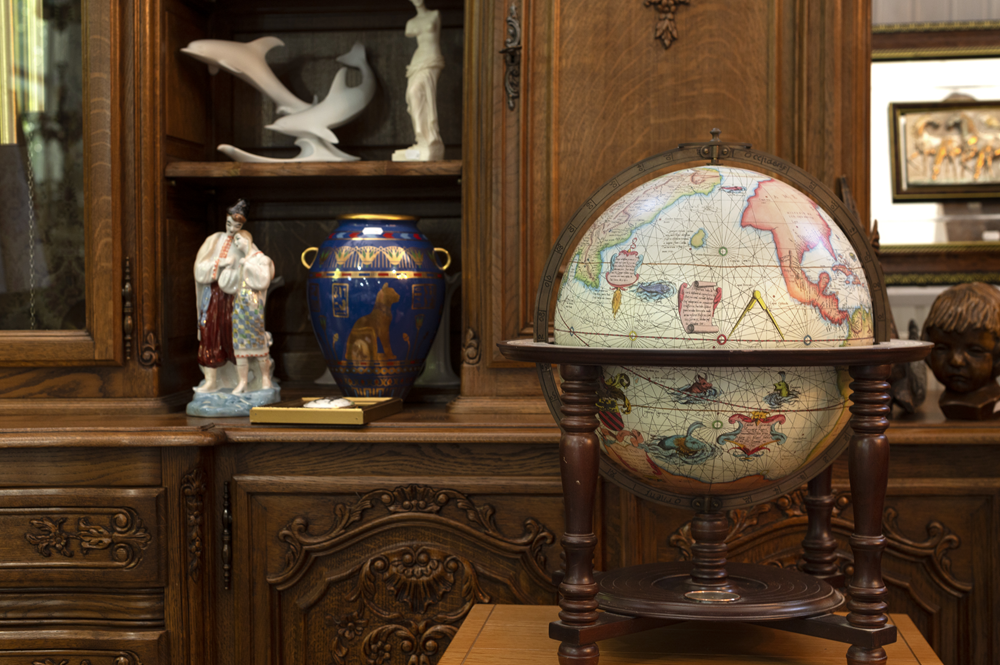
Walking into a room full of antiques can feel a little like stepping into a conversation that started a few hundred years ago. Every piece has something to say… some whisper it, some practically shout it, and a few just sit there quietly waiting for someone to notice what makes them special. Evaluating those pieces is less about guessing value and more about listening carefully to what the details reveal.
The first thing that usually comes into play is age. That sounds simple, but it is not always as obvious as checking a date stamped on the bottom. Most antiques do not come with a neat little label saying when they were made. Age gets determined through construction methods, materials, and design styles. Certain joints, finishes, and techniques point to specific time periods. Over time, those patterns become easier to recognize… kind of like learning to spot the difference between a brand-new pair of jeans and one that has seen a few decades.
Origin is the next piece of the puzzle. Where something was made matters just as much as when. Furniture built in Europe often carries different characteristics than something made in early America. Regional materials, cultural influences, and available tools all shape the final product. A chair from one country might look completely different from a chair made elsewhere during the same time period, even if both were built for the exact same purpose.
Craftsmanship tells another part of the story. Hand-cut joinery, carved details, and finishing techniques reveal how much time and skill went into a piece. Before machines took over, everything required hands-on work. That level of detail tends to stand out. It is not about perfection… in fact, slight imperfections can be a good sign. They show that a human being spent time shaping the piece rather than a machine stamping it out in identical form.
Materials are always worth a close look. Wood types, metals, and fabrics all provide clues. Certain woods were commonly used during specific periods, and others were not available in certain regions at all. The same goes for hardware and finishes. A piece that claims to be from one era but includes materials from another usually raises a few eyebrows.
Condition is where things get interesting. Wear is expected. In fact, some wear is part of what gives an antique its character. Scratches, faded finishes, and minor imperfections often tell the story of how a piece was used. The key is understanding the difference between natural aging and damage that affects structural integrity. A worn edge from years of use is one thing. A repair that looks like it involved a hardware store from 1987 is something else entirely.
Restoration can help preserve a piece, but it needs to be done carefully. The goal is to maintain the original character, not erase it. Over-restoration can strip away the very details that make an item valuable in the first place. It is a bit like polishing a coin until it loses the markings that made it unique. At some point, too much fixing turns into losing what made it worth fixing.
Provenance adds another layer. Knowing where a piece has been, who owned it, or how it was used can give it additional context. Documentation, photographs, or even family stories can help build that history. Not every item comes with a detailed backstory, but when it does, it can add a level of depth that goes beyond the physical object itself.
Authenticity is always part of the process. Reproductions exist in just about every category, and some of them are convincing. Distinguishing an original from a copy comes down to details… tool marks, wear patterns, and material aging. Newer pieces tend to age differently than older ones, even when they are designed to look the part.
Market trends also play a role, whether anyone likes it or not. Styles go in and out of favor. What is popular today might not have been popular twenty years ago, and vice versa. That does not change the historical significance of a piece, but it can influence how it is viewed in the current market. Evaluating antiques involves understanding both the past and how the present interacts with it.
Environment matters more than most people realize. Humidity, temperature changes, and light exposure all affect how materials age. Wood can expand or contract, metals can corrode, and fabrics can fade. A piece that has been well cared for tends to show it, while one that has been left to battle the elements tells a different story.
Comparing a piece to known examples is often the final step. Reference materials, catalogs, and past examples help confirm what the details suggest. Matching characteristics with documented pieces can bring everything into focus and support the overall evaluation.
At the end of the day, evaluating antiques is not about rushing to a conclusion. It is about taking the time to notice the small things. Every scratch, every joint, every material choice adds a piece to the story. Some pieces reveal their history quickly. Others take a little patience.
And every now and then, a piece shows up that looks simple at first glance but turns out to have a story that goes a lot deeper than expected… which is usually when things get interesting.