

Vintage and antique jewelry has a way of showing up in the most interesting places. Sometimes it comes through the door in a velvet box that has been in the same family for generations. Other times it appears in a small plastic bag with a story that begins with something like, “This was found in the back of a drawer.”
Either way, the first step in evaluating an older jewelry piece is taking a careful look at what is actually sitting on the table.
Jewelry from past eras often carries clues about its history if someone knows where to look. Materials, craftsmanship, gemstone cuts, and design styles all provide information about when a piece may have been created and how it was made.
The first thing examined is usually the construction of the piece. Modern jewelry is often manufactured using precision equipment and mass-production techniques. Older jewelry frequently shows evidence of hand craftsmanship. Tiny irregularities in the metalwork, hand-cut details, or hand-set stones can reveal that a piece was made in a workshop rather than a factory.
These little details can tell a story about the jeweler who originally made the piece.
Metal is another important part of the evaluation process. Gold, platinum, and silver have been used in jewelry for centuries, and each metal behaves differently over time. Antique pieces sometimes show subtle wear patterns that develop after decades of use.
Hallmarks stamped into the metal can also reveal useful information. These small markings may indicate the metal purity, the country where the piece was made, or even the workshop responsible for producing it.
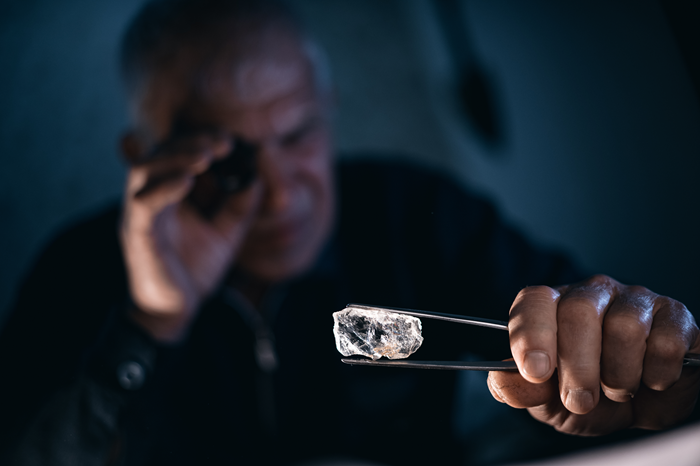
Sometimes those marks are easy to find. Other times they are so tiny that a magnifying loupe becomes necessary. Many jewelry professionals spend a good portion of their time looking at small details through magnification.
Gemstones add another layer to the puzzle.
Modern gemstone cutting techniques are extremely precise. Diamonds and colored stones today are cut to maximize brilliance and symmetry using advanced tools. Older gemstones were often cut using techniques available at the time, which means the shapes can look slightly different from what people see in modern jewelry.
Older diamonds, for example, may feature what are known as Old Mine Cuts or Old European Cuts. These stones tend to have larger facets and a softer sparkle compared to modern round brilliant diamonds.
That difference is not a flaw. It simply reflects the technology available to jewelers decades or even centuries ago.
The way gemstones are set into a piece can also provide clues. Antique jewelry often includes intricate hand-crafted settings such as filigree metalwork or delicate prong designs. These settings were sometimes created with small hand tools that required patience and steady hands.
Condition is another part of the evaluation process.
Jewelry that has been worn for many years will almost always show signs of use. Prongs may wear down slightly. Metal edges may soften with time. Small scratches can appear on gemstones and metal surfaces.
Some of these changes are simply part of the aging process. In fact, many collectors appreciate the character that develops over time. The goal during an evaluation is to determine whether the piece remains structurally sound or if restoration may eventually be needed.
Patina can also appear on older jewelry, especially on silver or certain gold alloys. This natural change in surface color occurs gradually over time. In some cases, that aging effect actually adds to the historical charm of a piece.
Design style is another interesting element to consider.
Jewelry trends have changed dramatically over the years, and each time period has its own visual personality. Victorian jewelry often included romantic motifs such as flowers, hearts, and symbolic imagery. Art Nouveau designs introduced flowing curves and nature-inspired patterns.
Art Deco jewelry, which became popular in the early twentieth century, took a very different direction. Geometric shapes, sharp lines, and bold gemstone contrasts defined that era.
Recognizing these styles helps narrow down the timeframe in which a piece may have been created.
Occasionally, documentation appears alongside a jewelry item. Old receipts, original boxes, or family records can sometimes accompany a piece. These details can help confirm its age or origin.
More often, though, the jewelry itself becomes the main source of information.
Tools used during evaluations can include magnification loupes, microscopes, gemstone testers, and metal analyzers. These tools allow a closer look at materials without damaging the piece.
Despite all the equipment available today, experience still plays a major role in understanding older jewelry. Recognizing subtle details takes time and familiarity with historical design trends.
After years in the jewelry business, one thing becomes clear: every older piece has a story behind it.
Sometimes that story is easy to identify through hallmarks, design patterns, or gemstone cuts. Other times the history remains partially mysterious, leaving only clues hidden in the craftsmanship.
Either way, examining vintage and antique jewelry feels a little like being a detective. Small details slowly reveal how a piece came to exist and how it traveled through time before landing on a jeweler’s workbench.
And occasionally, that little plastic bag from the back of a drawer turns out to contain something far more interesting than expected.