

There’s a moment that happens almost every day.
Someone walks in, opens a small box, and says something along the lines of… “This is probably not worth anything. It’s pretty beat up.”
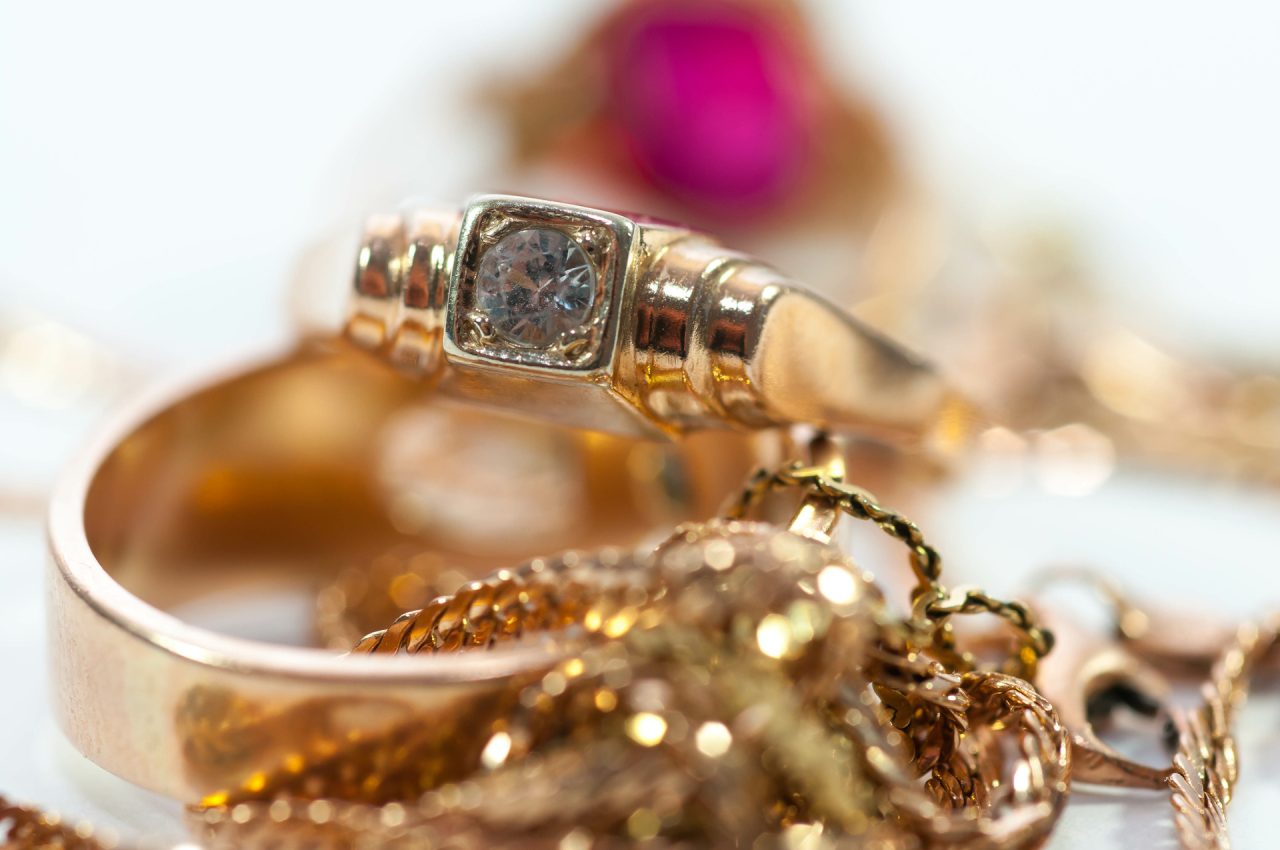
Inside that box is usually a tangled chain, a bent ring, maybe a bracelet that’s seen better days. Scratches, dents, missing stones… the kind of wear that makes it look like it’s been through a few decades of real life.
And here’s the part that surprises people.
That condition doesn’t automatically make it worthless.
In fact, most of the time, it doesn’t change the core value much at all.
Gold plays by a different set of rules.
With most items, condition is everything. A scratched phone loses value. A dented car drops in price. A worn-out piece of furniture might not even make it to the resale floor.
Gold doesn’t operate that way.
Gold is valued for what it is… not how it looks.
At the end of the day, gold jewelry is made of a material that has a measurable, consistent value based on two main things—purity and weight. Whether that gold is polished and shining or scratched and bent doesn’t change the amount of gold that’s actually there.
A 14-karat gold ring is still 14-karat gold… even if it looks like it lost a fight with a toolbox.
That’s where the misunderstanding usually comes in.
Condition matters in retail. If someone is buying a piece to wear as-is, appearance plays a big role. But when it comes to evaluating gold for its material value, the focus shifts.
The question isn’t, “How does it look?”
The question is, “How much gold is in it?”
Purity is the first piece of that puzzle.
Gold jewelry isn’t always pure gold. Most pieces are mixed with other metals to add strength and durability. That’s where karat ratings come in. Higher karat means a higher percentage of gold.
So, a 10-karat piece has less gold than a 14-karat piece… which has less than an 18-karat piece, and so on.
That percentage matters more than whether the piece is scratched, polished, or somewhere in between.
Then comes weight.
Gold is priced by weight. More weight means more material, which means more value. It’s a pretty straightforward concept.
That’s why even small pieces can add up.
A broken chain here, a single earring there, a ring that hasn’t fit anyone in years… individually, they might not seem like much. Together, they can represent a measurable amount of gold.
And gold doesn’t forget what it is just because it’s been sitting in a drawer for a decade.
Condition tends to get overemphasized because of how people think about other items.
If something looks worn, the assumption is that it’s worth less. That logic makes sense in most cases. It just doesn’t apply the same way here.
Scratches don’t remove gold.
Dents don’t reduce gold content.
Even a piece that’s broken in half still contains the same amount of gold it had before it broke.
Gold doesn’t get offended by a little wear and tear.
There are exceptions, of course.
Design and craftsmanship can influence value in certain situations. A well-preserved piece with unique design elements might carry additional interest beyond just the gold content. But for a large portion of jewelry that comes across the counter, the value comes down to the material itself.
Not the shine.
Not the style.
Just the gold.
Another factor that comes into play is the market.
Gold prices move. They go up, they go down, and they don’t ask anyone for permission before doing it. That means the value of a piece today might not be the same as it was six months ago.
Timing matters.
But again, condition isn’t driving that change. The market is.
There’s also the question of stones.
People often assume that diamonds or other stones are the main source of value in a piece. Sometimes that’s true, but not always. In many cases, especially with smaller stones, the gold itself is carrying most of the value.
And if stones are missing… it doesn’t erase the gold.
That part is still there.
One of the more interesting things about gold is how it holds its relevance over time.
Styles change. Trends come and go. What was popular twenty years ago might not be today. But gold doesn’t fall out of favor the same way.
It stays valuable because of what it is, not because of how it looks.
That’s why items that seem outdated or worn can still have a place in the market.
They’re not being evaluated as fashion pieces anymore. They’re being evaluated as material.
And material doesn’t care about style.
At the end of the day, the biggest takeaway is simple.
Condition tells part of the story… but it’s not the part that determines value when it comes to gold.
That value is tied to purity, weight, and market price.
Everything else is just surface.
So the next time a piece of gold jewelry looks like it’s past its prime, it might still have more going for it than it appears.
Because gold has a way of holding onto its worth… even when everything around it starts to show a little age.